


This traditional pub-style Irish brown bread recipe is the kind you’ll find served all over Ireland. It’s hearty and satisfying, with a slightly nutty flavor, and works just as well with sweet or savory toppings.
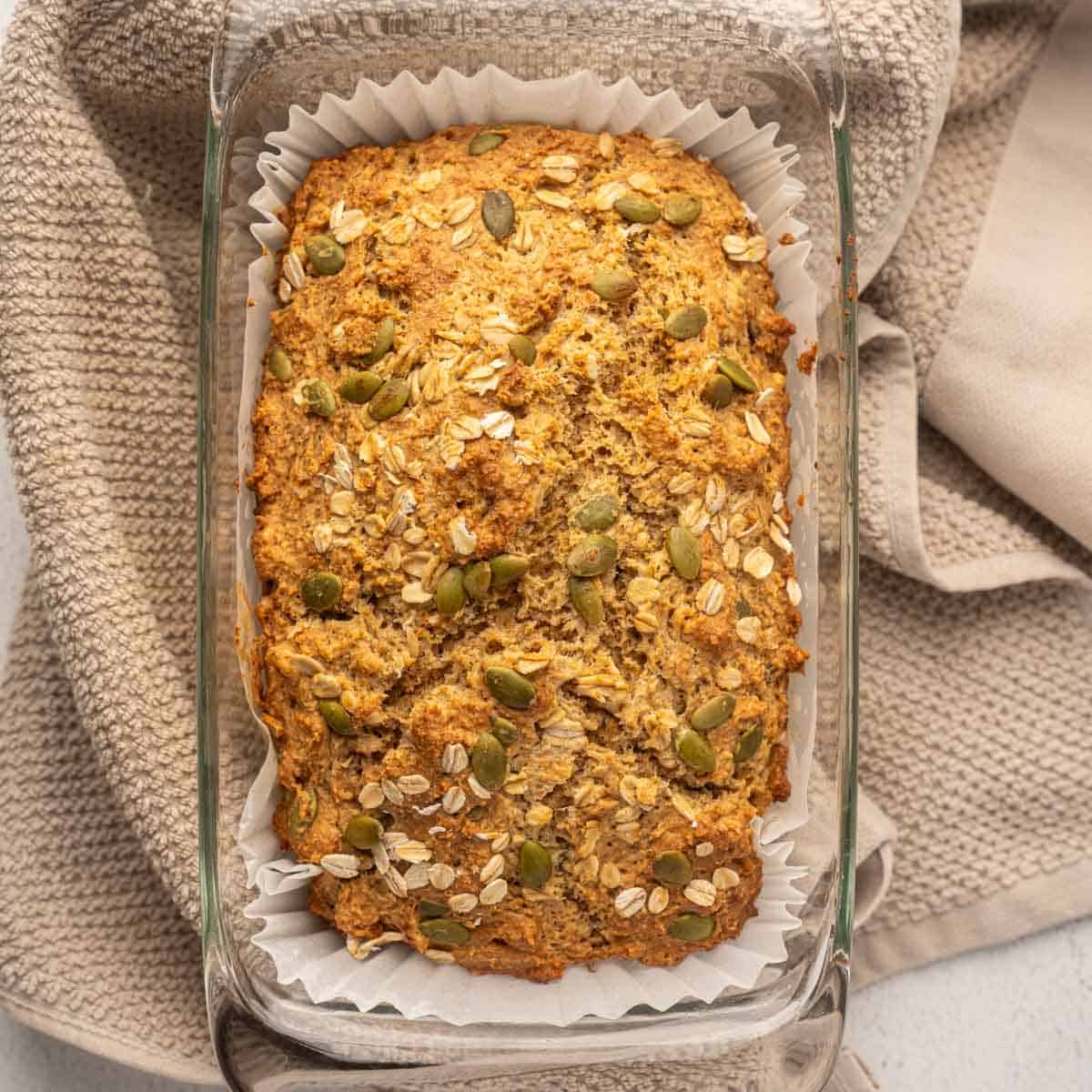
A Quick Look At This Recipe
- ✅ Recipe Name: Easy No-Knead Irish Brown Bread Recipe
- 🕒 Ready In: Around 55 minutes total (10 minutes prep + 45 minutes bake)
- 👪 Serves: 1 loaf (about 10-12 slices)
- 🍽 Nutrition: Around 178 calories, 6 grams of protein and 3 grams of fiber per slice
- 🥣 Main Ingredients: Wholemeal flour, plain flour, oat bran, buttermilk, egg, honey, pumpkin seeds, walnuts
- 📖 Dietary Info: Vegetarian, source of fiber, can be made nut-free
- ⭐ Why You'll Love It: No kneading or proving and freezes well so you can always have a slice on hand
Is breá liom arán. That’s Irish for “I love bread,” and this traditional Irish brown bread recipe holds a very special place in my heart.
Growing up in Ireland, my mom made brown bread every week. Then she returned to work full-time and stopped baking it for a few years. When I eventually asked her to make it again, she realized she had completely forgotten the recipe because she had always made it from memory!
So, I decided to recreate it myself. Ten attempts later, yes, really, I finally got it right.
If you love wholesome, hearty bread recipes, you might also enjoy my cottage cheese banana bread or my Guinness brown bread for a richer, maltier take on Irish bread.
Jump to:
Recipe Nutrition Highlights
- A source of fiber: Each slice has 3 grams of fiber, mostly from the wholemeal flour and oat bran. Oats and wholemeal flour both contain a type of fiber called beta-glucan, which has been shown to support healthy cholesterol levels. If you want to go deeper on this, I've written more about it in my guide to lowering cholesterol naturally.
- Lightly sweetened, not sugar-free: There's only one tablespoon of honey in the entire loaf, spread across 12 slices, which keeps added sugar low at just over 1 gram per slice.
- Moderate sodium: At 237 milligrams per slice, this fits comfortably into a balanced day, especially if you're mindful of your sodium intake overall. If you want to bring it down further, you can reduce the salt slightly without affecting how the bread rises, since it's the bread soda doing that work.
- Some plant-based fat and nutrients from the nuts and seeds: The pumpkin seeds and chopped nuts add small amounts of magnesium, zinc, and healthy unsaturated fats. They're not there in large enough quantities to make big claims about, but every bit adds up over a week of eating.
- One thing I really like about this brown bread recipe is that it doesn't contain any butter, which keeps the saturated fat content lower than many traditional bread recipes. Instead, I use a small amount of neutral oil, which helps keep the bread moist without adding the same level of saturated fat.
Key Ingredients
The complete ingredient list with measurements can be found in the recipe card below.
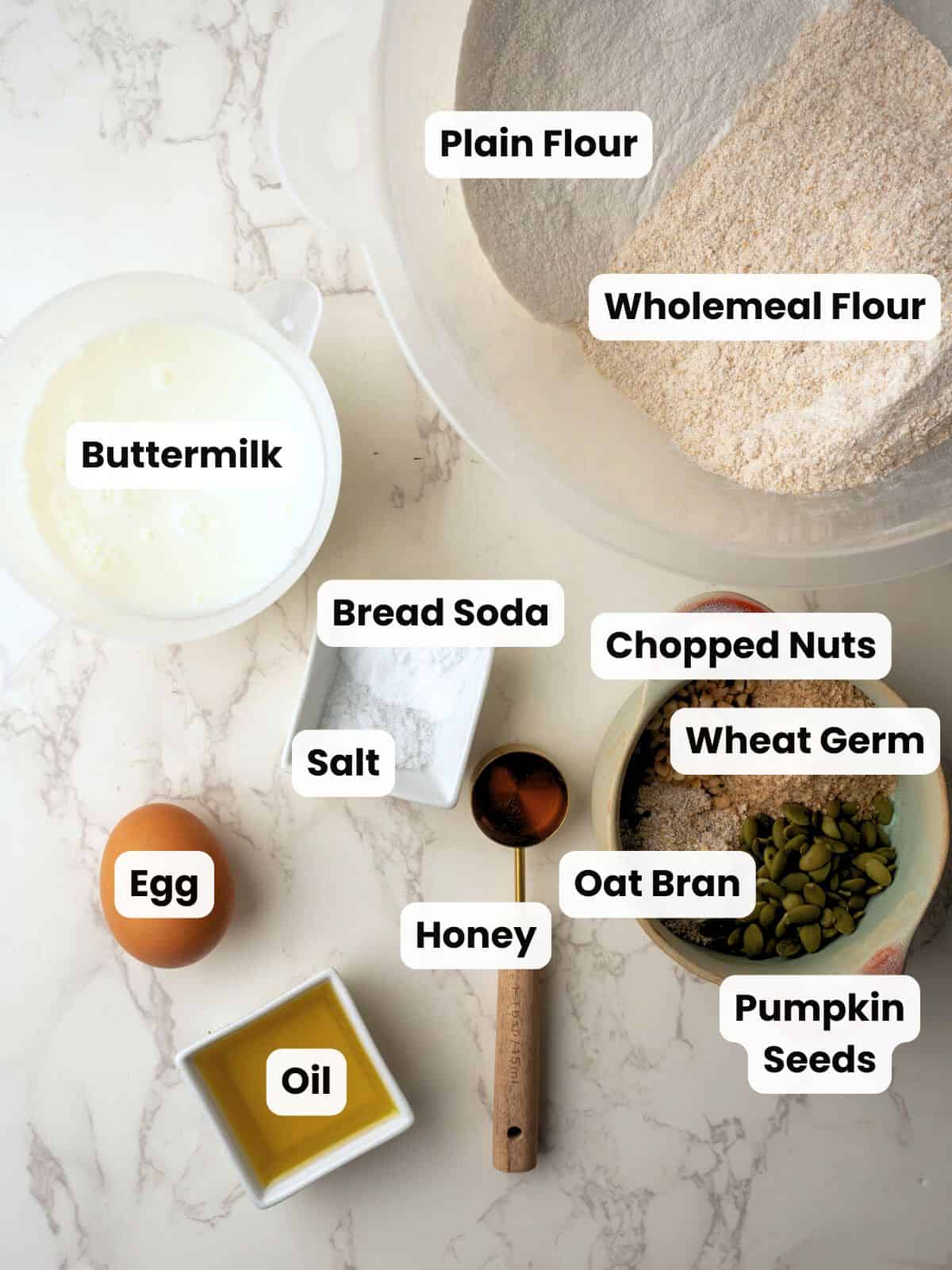
- Wholemeal flour: This is what gives the bread its rich, nutty flavor and hearty texture. Look for coarse wholemeal flour if you can find it. It's less finely ground than standard whole wheat flour and has visible specks of bran. If you can't find wholemeal flour, regular whole wheat flour works fine.
- Plain flour: Also called all-purpose flour. This lightens the texture of the bread so it's not overly dense. The combination of wholemeal and plain flour creates the perfect balance.
- Bread soda: Also known as baking soda or bicarbonate of soda. Make sure it's fresh. If your baking soda is old, the bread won't rise properly. You can test it by mixing a little with vinegar. It should bubble vigorously if it's still good.
- Buttermilk: The acidity in buttermilk reacts with the bread soda to help the bread rise. It also adds moisture and a subtle tang.
- Oat bran: Adds extra fiber and a slightly sweet, nutty flavor. You can find oat bran in the baking aisle or health food section of most grocery stores. If you don't have oat bran, milled linseed, ground flaxseed, or hemp seeds all work as a swap.
- Pumpkin seeds: Add a lovely crunch and earthy flavor. They're also a great source of magnesium and zinc.
- Walnuts: I use walnuts, but any nuts work here. Pecans, almonds, or hazelnuts would all be delicious.
- Honey: Adds just a touch of natural sweetness that complements the nutty flavors. You can use maple syrup if you prefer.
- Oil: Use a neutral-flavored oil like vegetable, avocado, or light olive oil. This keeps the bread moist and tender.
- Egg: Adds structure and richness to the bread.
- Salt: Just a pinch to enhance all the other flavors. I use fine table salt for baking.
Recipe Variations
Fruit and nut version: Add 50 grams (⅓ cup) of raisins or dried cranberries along with the nuts for a slightly sweet variation that's lovely with butter at teatime.
Savory herb bread: Omit the honey and nuts. Add 2 teaspoons of dried rosemary or thyme and 30 grams (⅓ cup) of grated cheddar cheese for a savory loaf that's perfect with soup.
If you want to try something even more Irish, I recommend looking at my Guinness brown bread recipe. Trust me, this will not disappoint!
Equipment
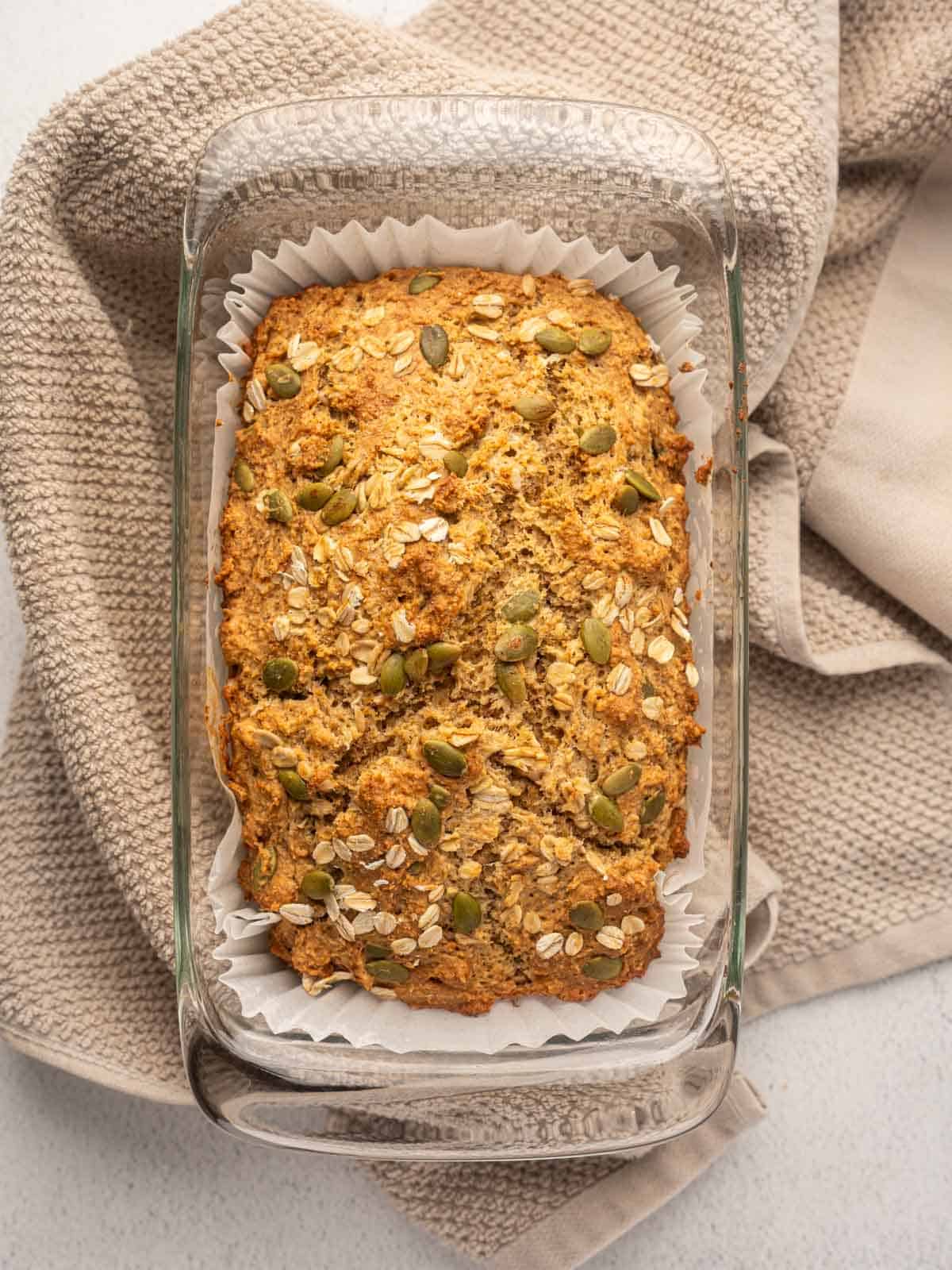
Loaf pan - For this recipe, a standard 9×5-inch (23×13 cm) loaf pan is perfect. I recently bought glass loaf tins that have lids which I love for storing the bread in after. I recommend using a non-stick loaf pan or lining it with parchment paper to make removing the bread easy. If you’re using parchment paper, let it hang over the sides to create a sling, which makes lifting the bread out super easy.
Loaf pan liner - I highly recommend using loaf pan liners. Since I started using them, I’ve found it much easier to lift the bread out of the pan, and they also make cleanup far quicker.
How To Make This Irish Brown Bread
Below are the simple steps for how to make this recipe with visuals I hope are helpful! Don't forget to check out the recipe card at the bottom for the full recipe.
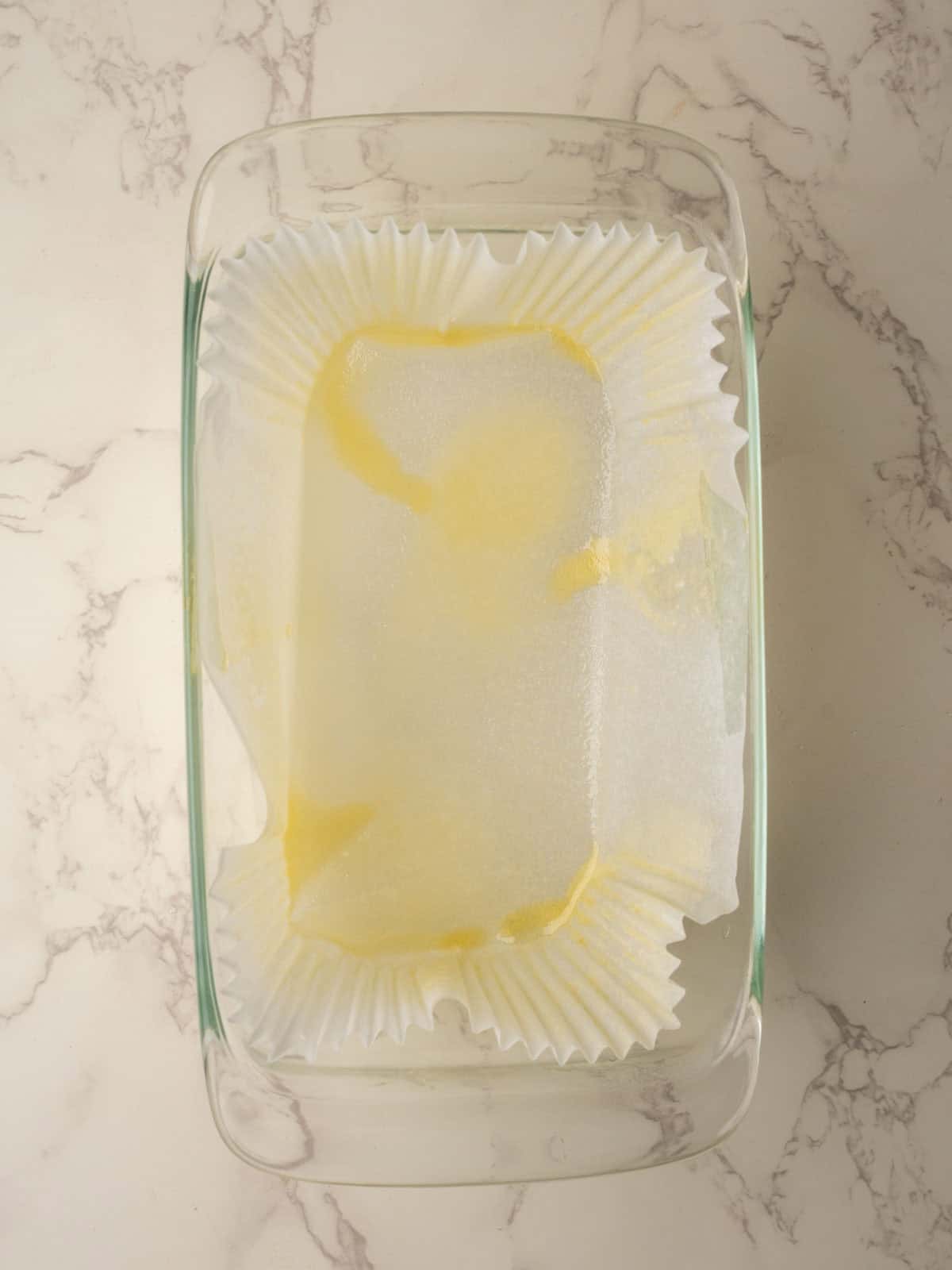
- Preheat your oven to 180°C (350°F) or gas mark 4. Lightly oil a loaf tin or use a loaf liner. I did both!
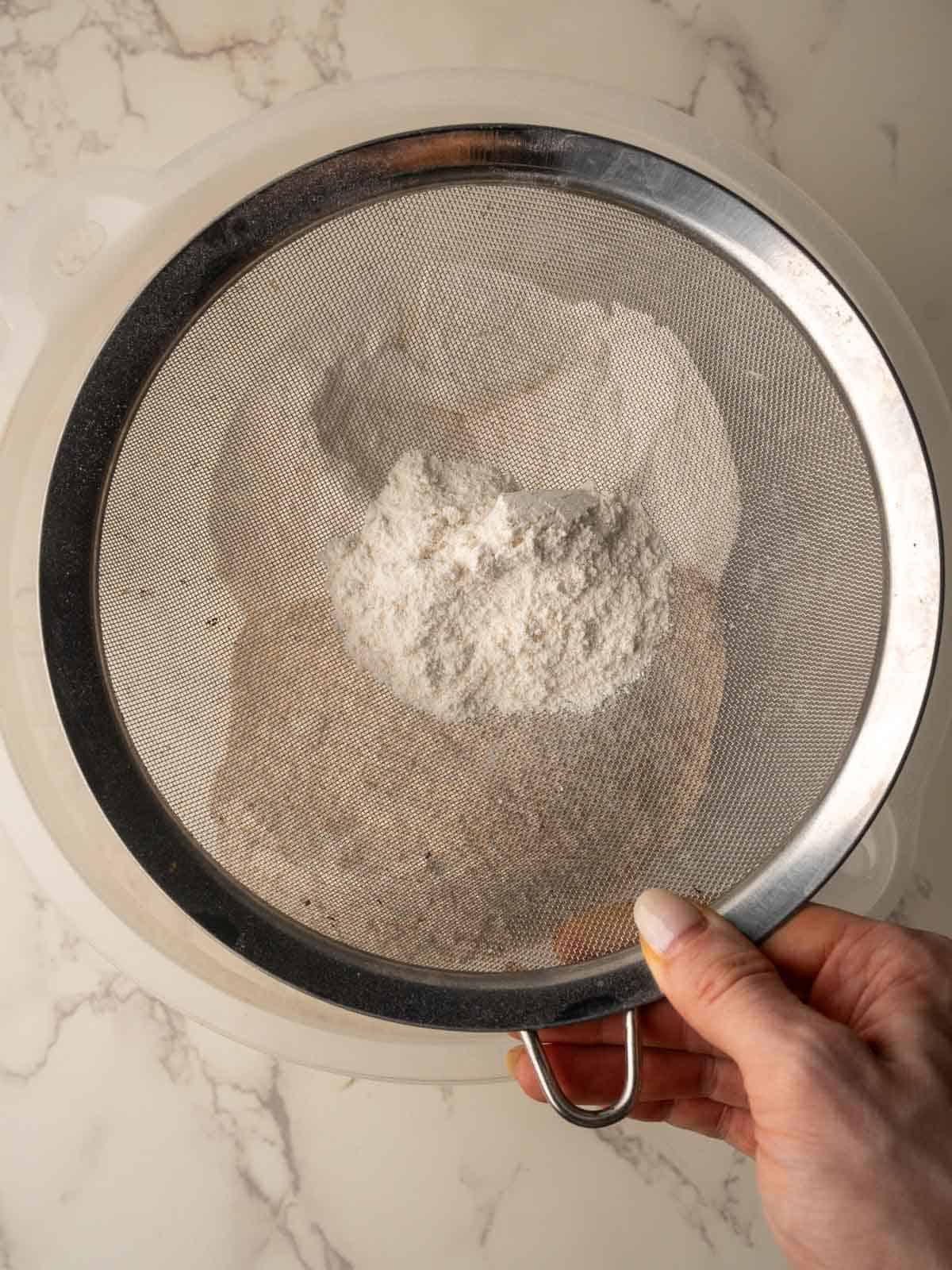
- Sift the plain flour, bread soda, and salt into a large bowl. Sifting introduces air and helps the bread rise better.
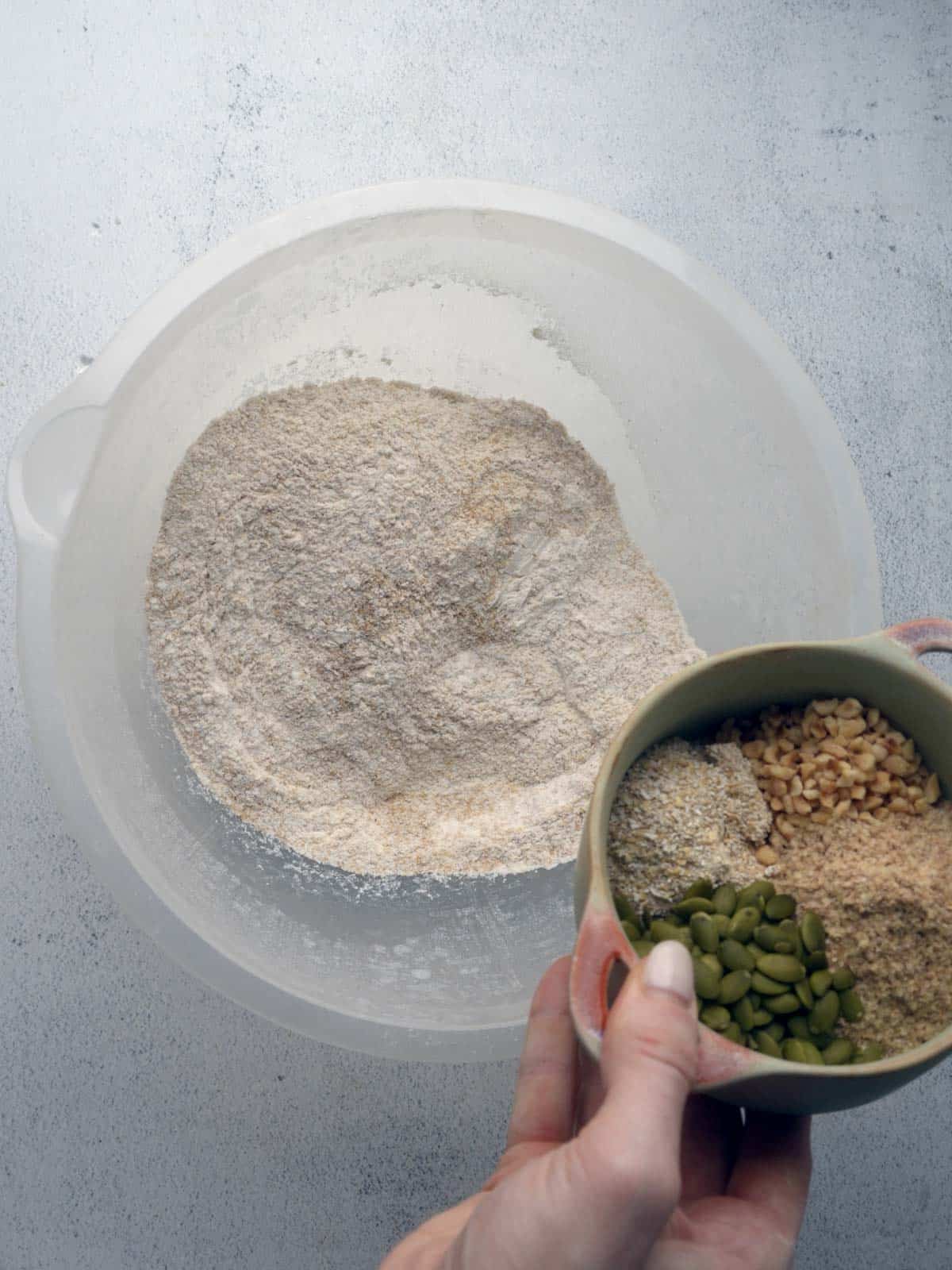
- Add the wholemeal flour (it's usually too coarse to sift, but give it a go if you can). Stir in the oat bran, chopped walnuts, and pumpkin seeds. Mix everything together well.

- In another bowl, whisk together the buttermilk, honey, oil, and egg until smooth.
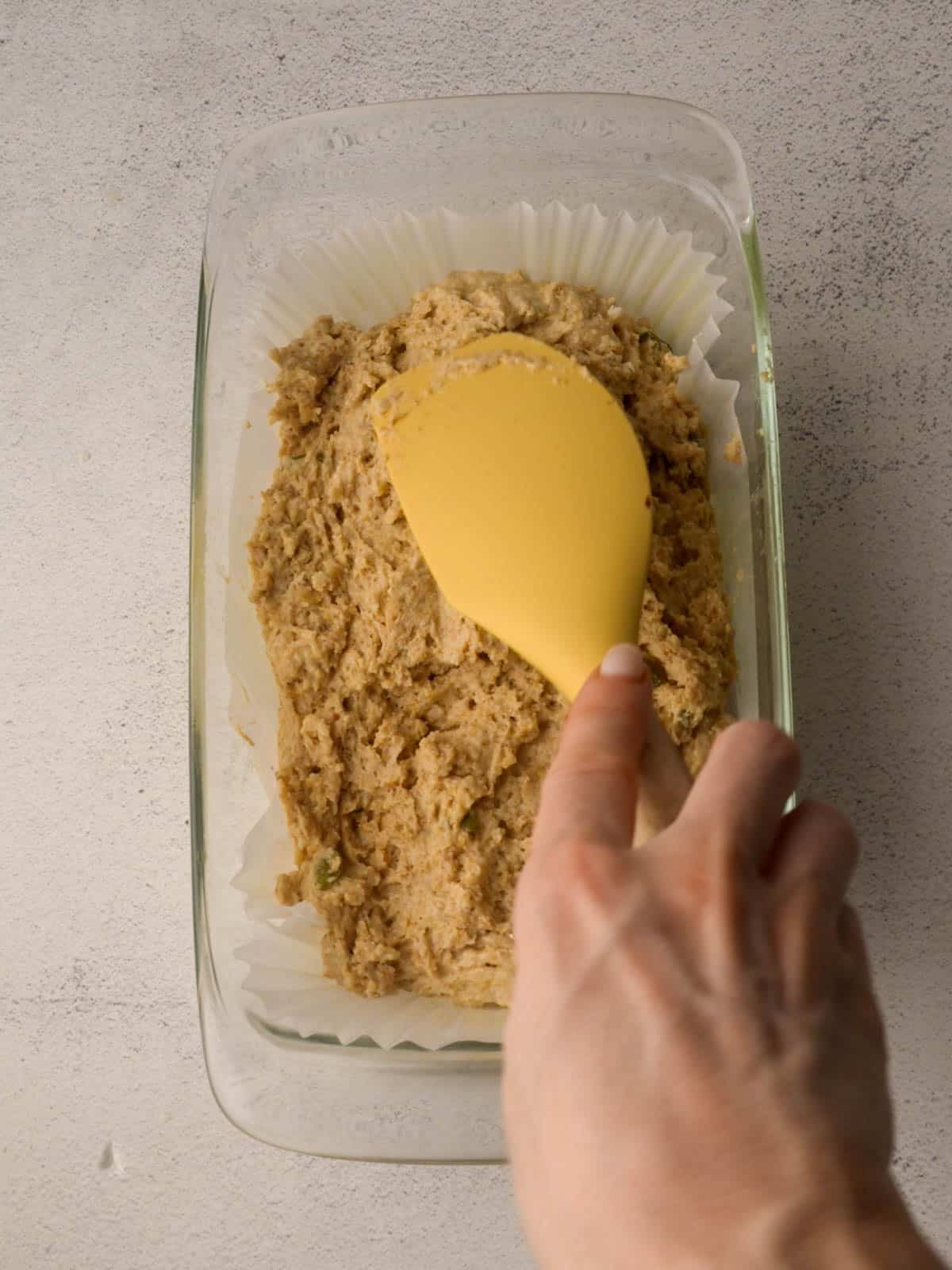
- Add the wet ingredients to the dry ingredients. Mix until just combined. Don't overmix or the bread will be tough. The mixture should be fairly wet and sticky. Then pour the batter into your prepared loaf tin.
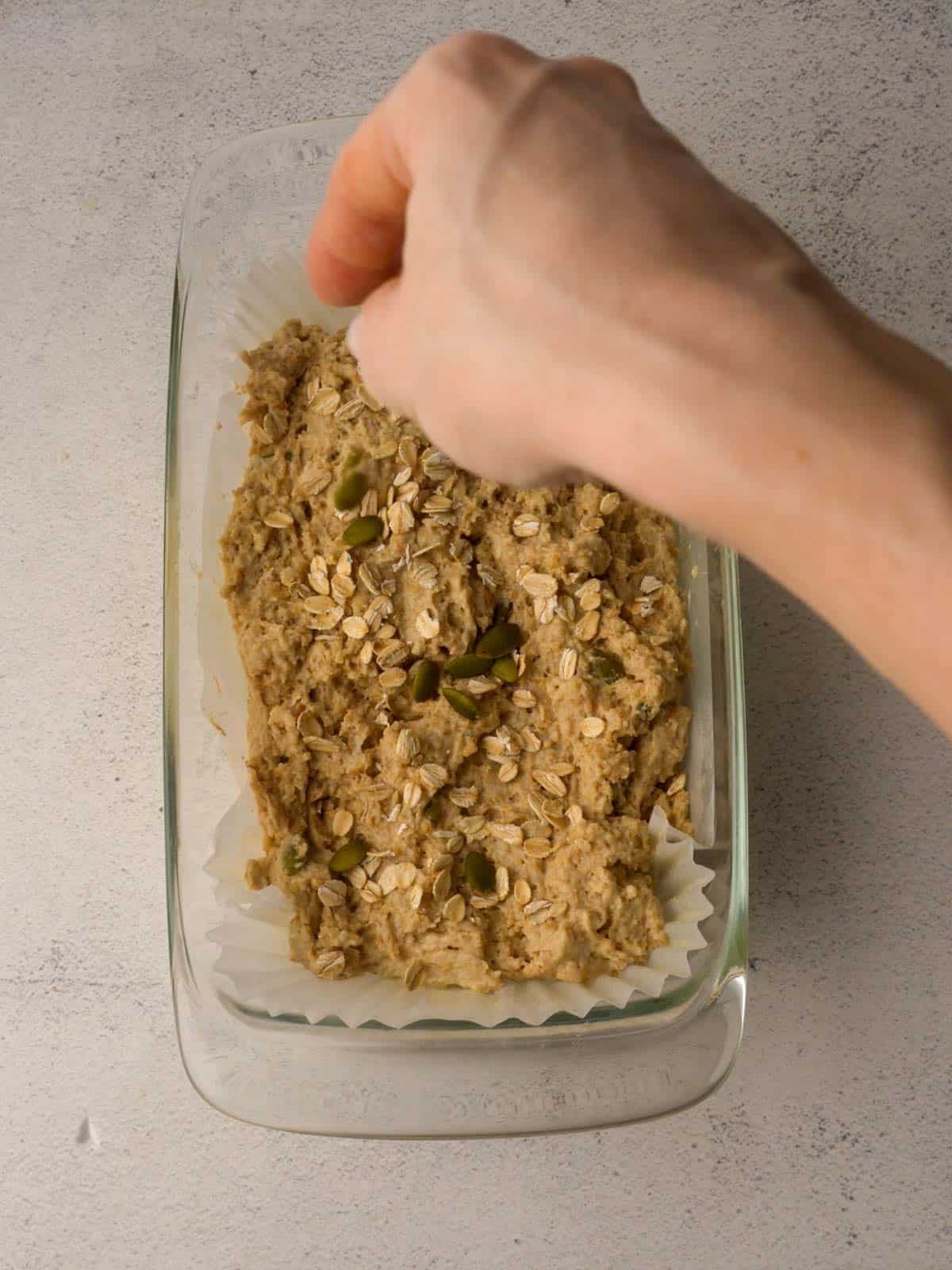
- Sprinkle the top with extra pumpkin seeds, rolled oats, and a drizzle of honey if you like (this makes a lovely crunchy, sweet topping).
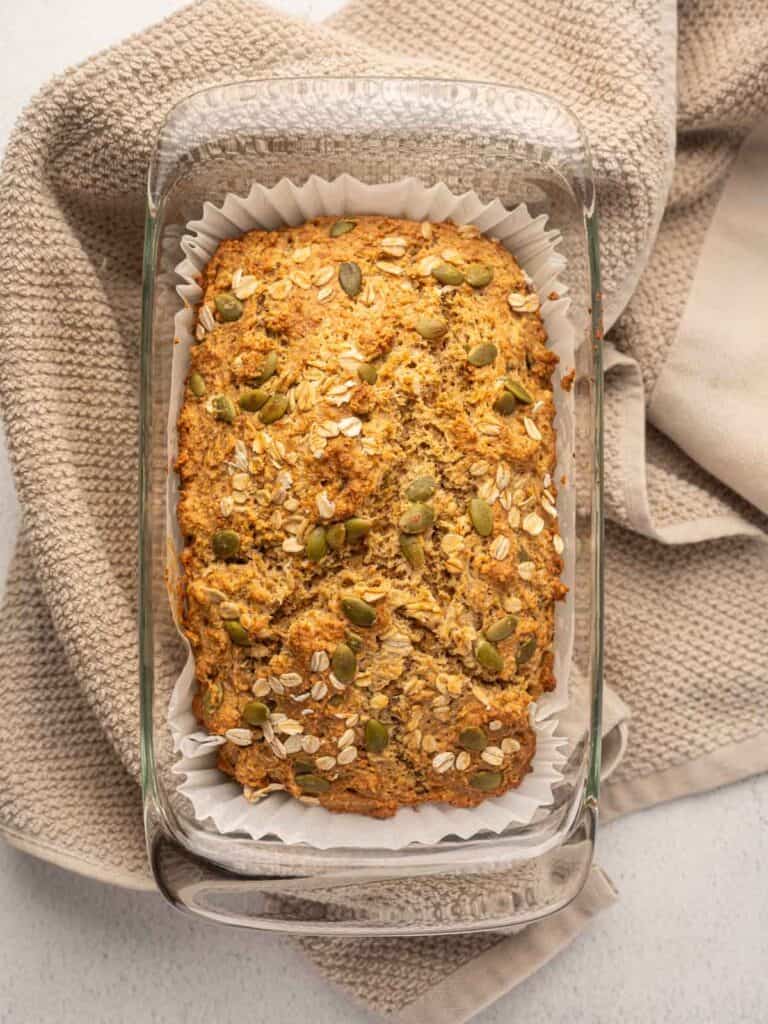
- When it comes out of the oven, wrap the loaf in a clean tea towel to cool. This is key. It helps keep the crust from getting overly hard while the bread cools. Leave it wrapped for at least 15-20 minutes before slicing.
Save This Recipe! 💌
Video of How to Make Irish Brown Bread
Below is a video of me making this bread, which I hope inspires you to give it a go too!
Expert Tips for Making This Recipe
Don't overmix the batter. Stir just until the wet and dry ingredients come together. Overmixing develops the gluten too much and results in a tough, dense loaf.
The tea towel trick is essential. Wrapping the hot bread in a tea towel traps just enough steam to soften the crust slightly while it cools. This is a traditional Irish technique and it makes a real difference.
Use room temperature ingredients. If your buttermilk and egg are cold from the fridge, let them sit out for 15-20 minutes before mixing. This helps everything combine more easily.
Check for doneness with a toothpick. The bread should be golden on top, and a toothpick or skewer inserted into the center should come out clean (or with just a few dry crumbs).
Let it cool before slicing. I know it's tempting to cut into it right away, but letting it cool for at least 20-30 minutes makes it much easier to slice cleanly.
Serving Suggestions
There are so many ways to enjoy Irish brown bread:
For breakfast, toast it and slather it with good Irish butter (Kerrygold is my go-to) and homemade chia berry jam.
Serve it alongside a bowl of my creamy tomato carrot soup or stew for a comforting lunch or dinner. It's perfect for mopping up every last drop.
Make it into an open-faced sandwich with mashed avocado or my green goddess dressing, a poached egg, and everything bagel seasoning.
Spread it with cream cheese and smoked salmon.
Go sweet with nut butter, Greek yogurt, berries and honey.
Storage
Fridge: I don't recommend storing brown bread in the fridge as it dries out quickly.
Room temperature: Store the loaf wrapped in a clean tea towel or in an airtight container at room temperature for 3-4 days.
Freezer: Slice the cooled loaf, then freeze individual slices in a freezer bag for up to 3 months. You can toast slices straight from frozen.
Reheating: Toast slices in a toaster or under the grill for the best texture. You can also warm a slice in the microwave for 15-20 seconds, but it won't be as crispy.
FAQ
No, this is a soda bread, not a yeast bread. The whole point is that it's quick, with no rising time needed! If you want to make a yeasted bread, you'd need a completely different recipe.
Wrapping the hot bread in a clean tea towel as soon as it comes out of the oven traps steam, which softens the crust slightly as the bread cools. Without this step, the crust can become very hard and crusty. It's a traditional Irish technique and makes a real difference to the final texture.
This usually happens if the baking soda is old and has lost its potency, or if the batter was overmixed. Make sure your baking soda is fresh (test it by mixing a bit with vinegar and it should bubble vigorously). Also, mix the batter just until the wet and dry ingredients are combined, no more.
More Bread Recipes To Try Next
📖 Recipe

Traditional Irish Brown Bread Recipe
Equipment
- 1 Loaf pan 2-pound (900 grams)
- 1 set of mixing bowls you will need 2 bowls for this recipe
Ingredients
Dry Ingredients:
- 120 grams plain flour about 1 cup
- 5 grams bread/baking soda 1 teaspoon
- 3 grams salt ½ teaspoon fine table salt
- 210 grams wholemeal flour about 1.75 cups
- 30 grams oat bran ⅓ cup
- 28 grams chopped walnuts ¼ cup any nuts work here
- 20 grams pumpkin seeds ⅓ cup plus more to sprinkle on top
Wet Ingredients:
- 320 milliliters buttermilk 1.3 cups
- 21 grams honey 1 tablespoon
- 30 milliliters neutral oil 2 tablespoons such as vegetable or avocado oil
- 1 large egg
Instructions
- Preheat the oven to 180°C (350°F) or gas mark 4.
- Lightly oil a loaf tin or use a tin liner to prevent sticking.
- Sift the plain flour, bread soda, and salt into a large bowl. Sifting introduces air and helps the bread rise.120 grams plain flour, 3 grams salt, 5 grams bread/baking soda
- Add in the wholemeal flour (it's usually too coarse to sift, but try if you can). Add the oat bran, chopped walnuts, and pumpkin seeds. Stir everything together well.210 grams wholemeal flour, 30 grams oat bran, 28 grams chopped walnuts, 20 grams pumpkin seeds
- In another bowl, whisk together the buttermilk, honey, oil, and egg until smooth.320 milliliters buttermilk, 21 grams honey, 30 milliliters neutral oil, 1 large egg
- Add the wet ingredients into the dry ingredients and mix until just combined. Don't overmix. The batter should be fairly wet and sticky.
- Pour the batter into the prepared loaf tin. Sprinkle with more pumpkin seeds, rolled oats, and a drizzle of honey if you like.
- Bake for 45 minutes, until golden brown and well risen. A toothpick inserted into the center should come out clean.
- When it comes out of the oven, wrap the loaf in a clean tea towel to cool. This helps avoid an overly hard crust. Leave wrapped for at least 15-20 minutes before slicing.
Save This Recipe! 💌
Video
Marias Notes
Room temperature: Store wrapped in a tea towel or airtight container for 3-4 days.
Freezer: Slice and freeze in a freezer bag for up to 3 months. Toast slices straight from frozen. Nutritional Calculations:
I used full fat dairy buttermilk, vegetable oil, and walnuts for the nutrition analysis. Top Tips:
- Don't overmix the batter. Stir just until combined
- Wrap the bread in a tea towel as soon as it comes out of the oven
- Use room temperature ingredients for best results
- Let the bread cool for at least 20 minutes before slicing
Sean says
Have been having this for breakfast with avocado and a poached egg and it keeps me full easily until lunch.
Maria Lucey RD says
So happy to hear this! And thank you for the positive review xx