


Working as a dietitian, I meet so many clients who are trying to reduce inflammation in their bodies. Sometimes it’s for skin health, sometimes heart health, sometimes fertility, and sometimes it’s simply wanting to feel healthier overall.
But like I talk about in my 10-step Anti-Inflammatory Diet Plan, there isn’t one “magic” food that fixes inflammation. What really matters is your overall pattern of eating and what you’re choosing most of the time.
So in this post, I’ve pulled together some of my favorite anti-inflammatory recipes. These are the kinds of meals I recommend to clients all the time because they’re simple, nourishing, and realistic for busy everyday life.
Jump to:
When I work with clients in my online nutrition coaching, I see the same theme pop up again and again. It’s not just food that drives inflammation. It’s the whole lifestyle picture. Things like constant stress, not sleeping enough, skipping meals, intense work schedules, and barely having time to breathe… all of that adds up.
And that’s exactly why I wanted this collection of anti-inflammatory recipes to be simple.
Because the people who need this type of support the most are usually the ones with the least amount of time. If a recipe feels complicated or stressful, it’s just not realistic to stick with.
What Makes a Recipe Anti-Inflammatory?
Anti-inflammatory recipes emphasize foods that actively reduce inflammation in the body while limiting ingredients that promote it.
Key anti-inflammatory ingredients include:
- Omega-3 fatty acids from oily fish, walnuts, flax, and chia seeds
- Colorful fruits and vegetables rich in antioxidants and phytonutrients
- Whole grains that support gut health and stable blood sugar
- Herbs and spices like turmeric, ginger, cinnamon, and garlic
- Healthy fats from olive oil, avocados, nuts, and seeds
- Legumes packed with fiber and plant-based protein
- Fermented foods that promote beneficial gut bacteria
What to minimize:
- Refined sugars and processed foods
- White flour and refined grains
- Processed meats
- Trans fats and excessive saturated fats
- Fried foods
New to anti-inflammatory eating? Check out my complete Anti-Inflammatory Diet Plan for the full guide plus a free downloadable PDF!
Anti-Inflammatory Breakfast Recipes
When it comes to anti-inflammatory recipes, breakfast is a really nice place to start. I see so many people either skipping breakfast completely or going for something quick that’s mostly refined carbs. And while that can feel convenient in the moment, it usually doesn’t leave you feeling satisfied for very long.
From working with clients, I’ve found that breakfasts built with a mix of whole grains, protein, healthy fats, and fiber tend to be much more filling and supportive of overall health. They help you feel steadier through the morning and make it easier to make balanced choices later in the day.
The recipes below are simple, realistic, and many of them can be prepped ahead so they’re easy to grab during busy mornings.
High Protein Oatmeal Recipe
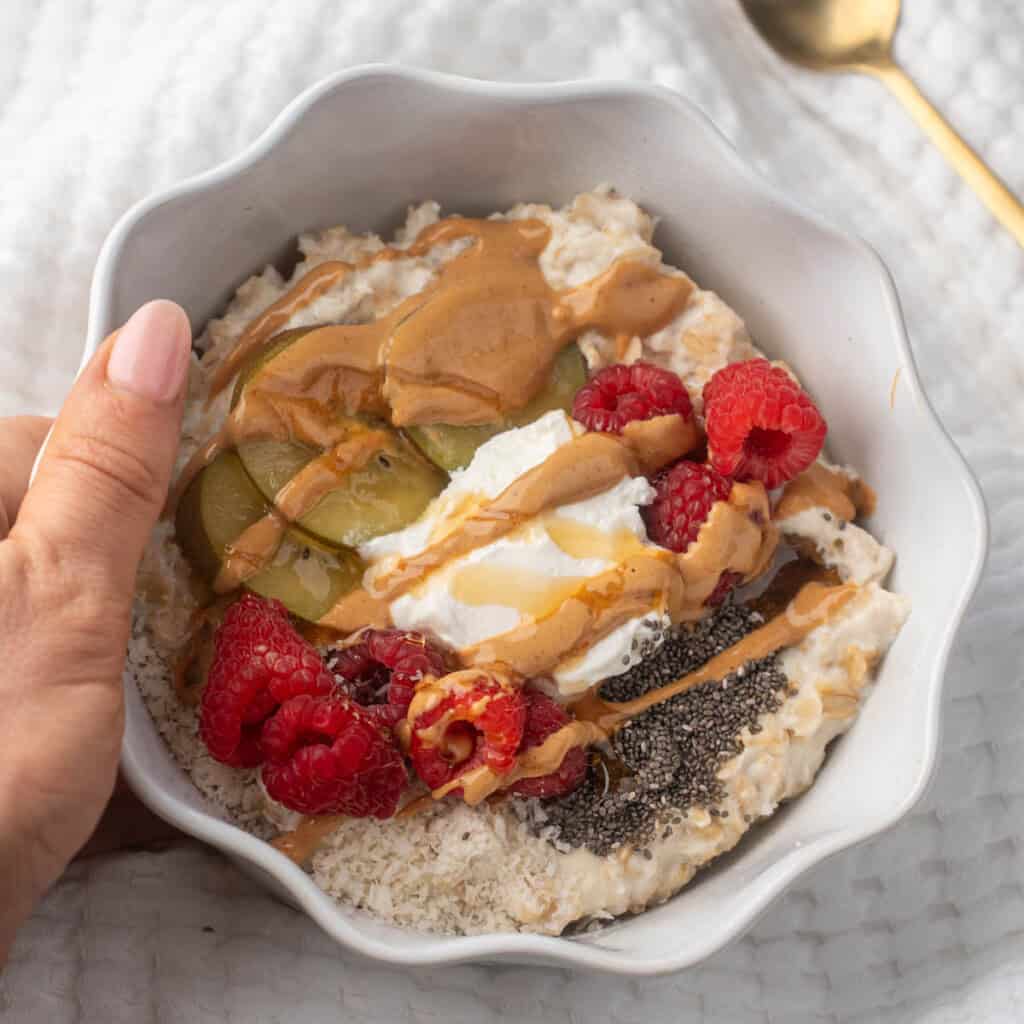
This protein oatmeal doesn’t use protein powder. Instead, it gets its protein from egg whites, which mix in easily and give the oats a lovely fluffy texture. It’s also really customizable. You can add whatever fruit, nuts, or seeds you have on hand to make it a balanced breakfast and use up bits from the fridge at the same time.
Scrambled Oats
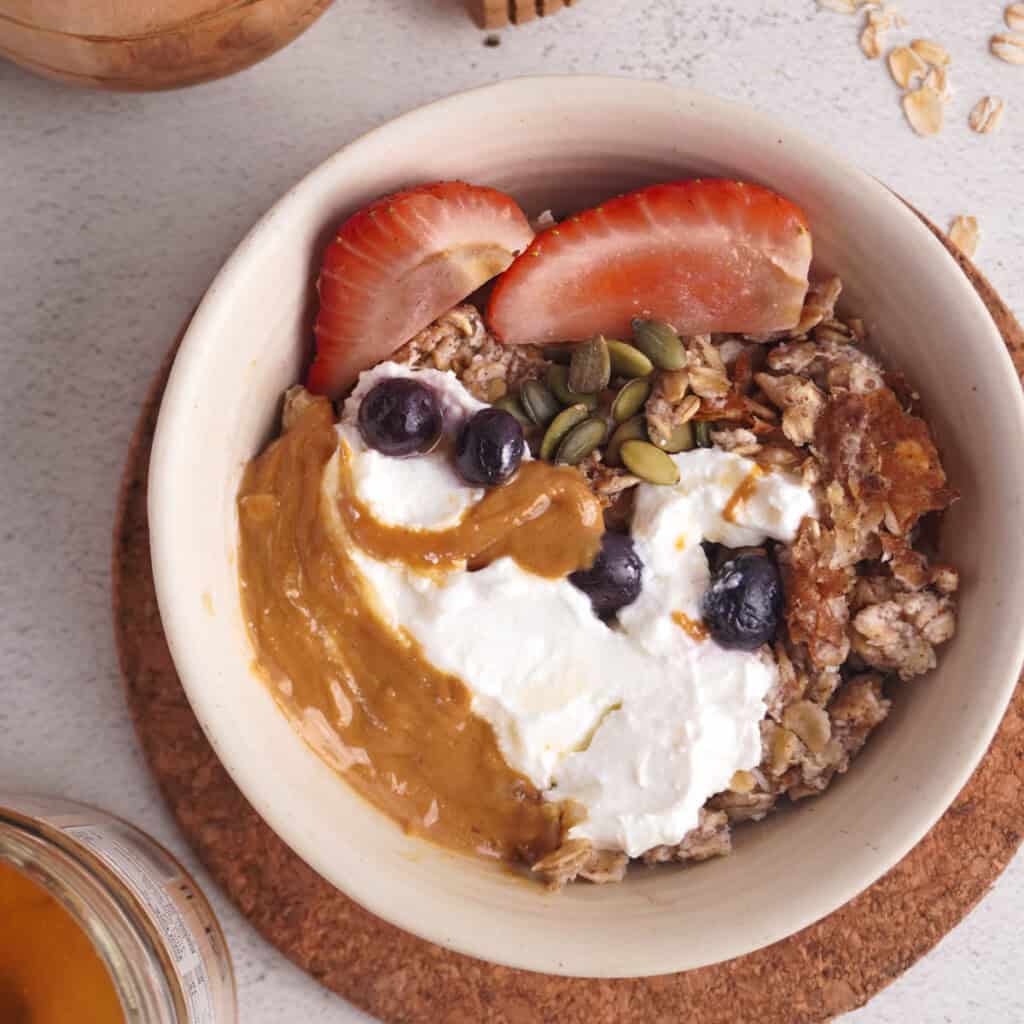
If you’ve ever found yourself torn between having eggs or oats in the morning, scrambled oats are the perfect middle ground.
Again easy to customize & work great with a splash of kefir if you are trying to include more fermented foods.
High Protein Overnight Oats Recipe
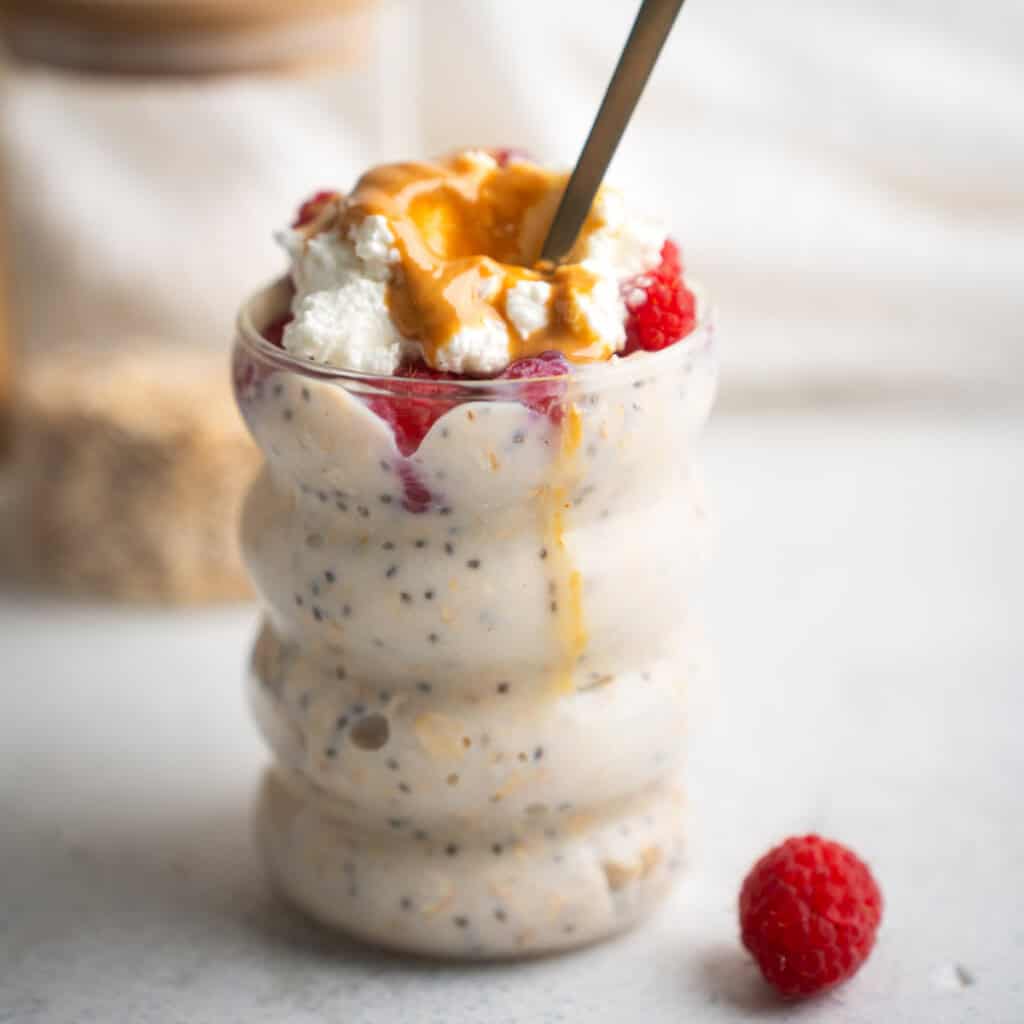
Overnight oats are a daily staple in my house. Try to add chia seeds for plant based omega-3s, Greek yogurt for some probiotics, and berries for antioxidants).
Baked Oats Apple Pie Style
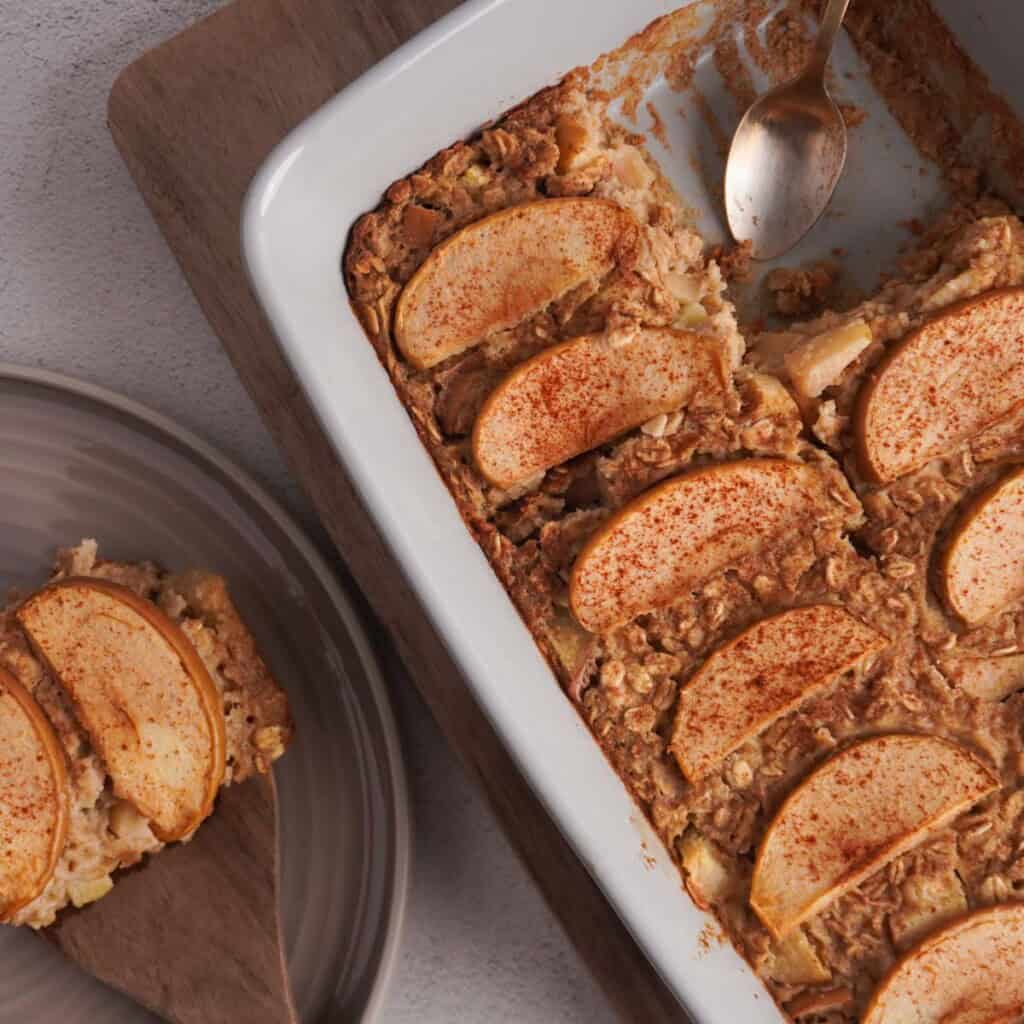
This warm, comforting breakfast tastes like dessert but is packed with anti-inflammatory ingredients. Apples provide fiber, while cinnamon adds powerful anti-inflammatory compounds.
Healthy Granola Recipe
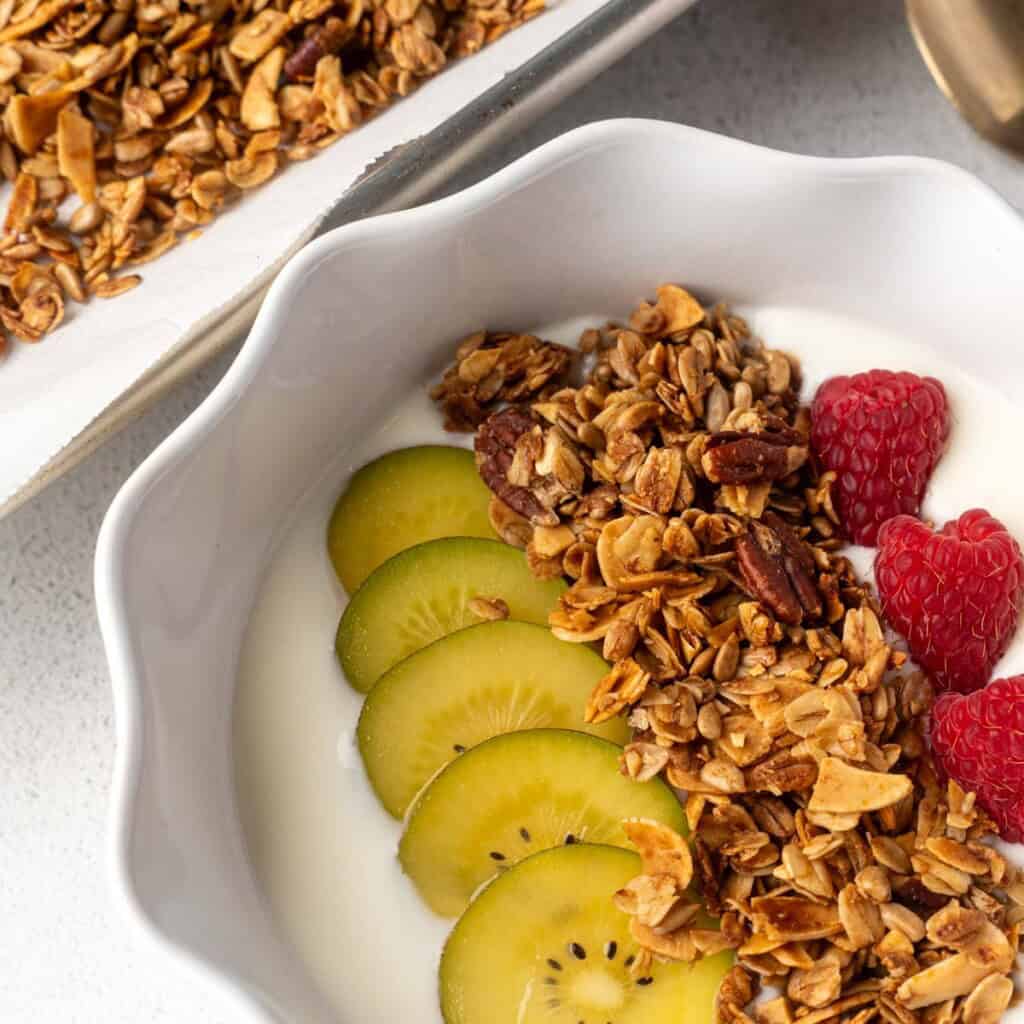
Homemade granola with nuts, seeds, and a touch of natural sweetness. One serving can contain as many plant foods as you can desire, helping you hit your 30-plant-foods-per-week goal!
Feta Cheese Eggs
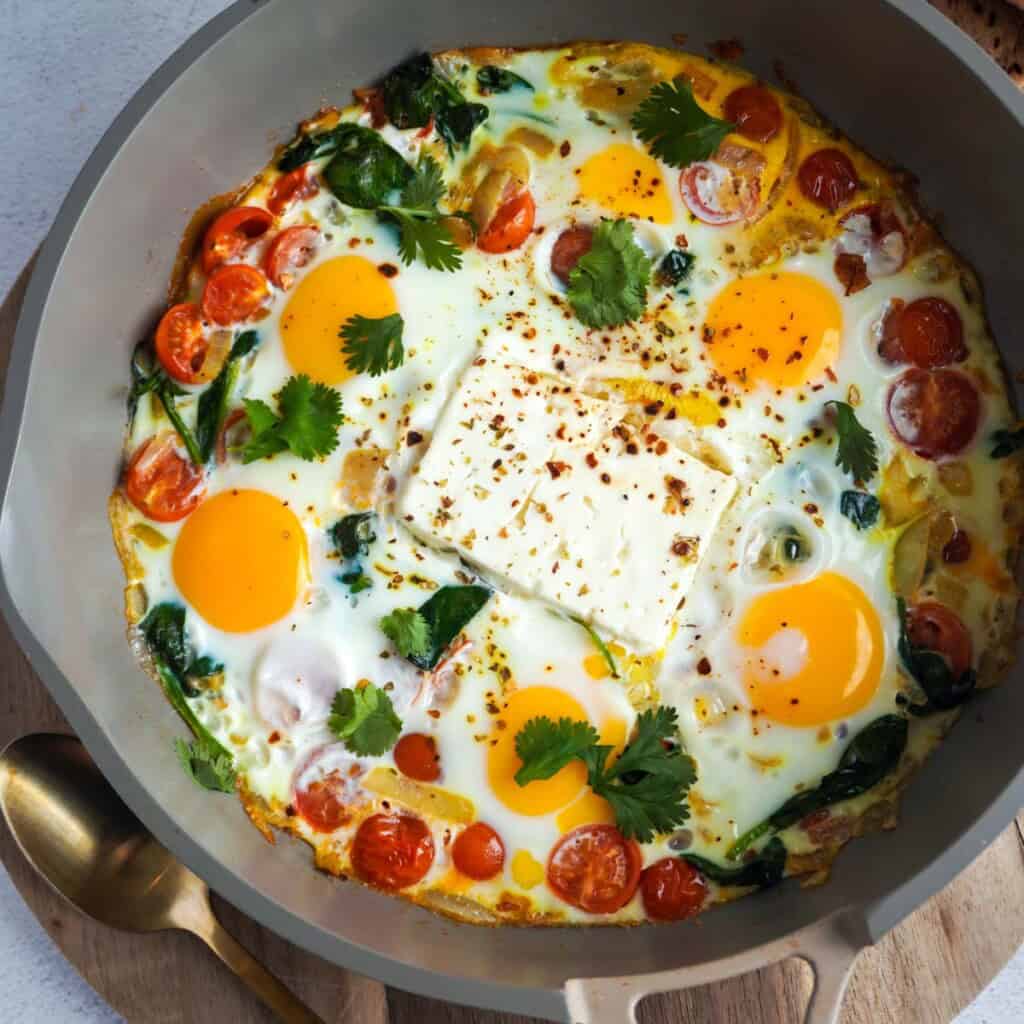
I love starting the day with eggs, and these feta baked eggs are one of my favorites. They’re such an easy way to get some extra veggies in first thing in the morning, and they taste amazing.
Irish Brown Bread Recipe
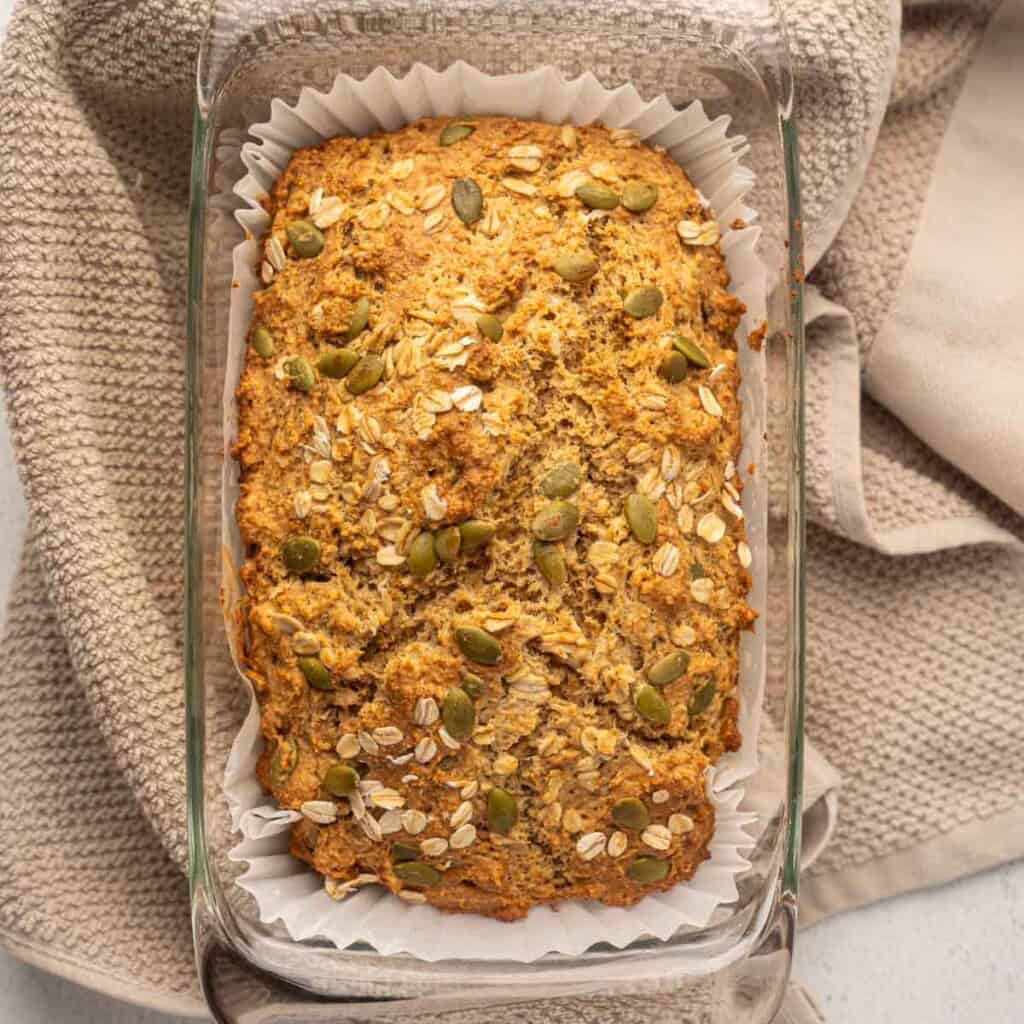
This traditional brown bread is made with wholemeal flour plus nuts and seeds for extra texture and nutrition. I use olive oil instead of butter as the main fat, which gives it a lovely soft crumb. It’s delicious topped with avocado or almond butter and makes a really satisfying breakfast.
Anti-Inflammatory Lunch Recipes
These satisfying lunch recipes combine lean proteins, colorful vegetables, and healthy fats to help keep you fuller for longer. When lunch is balanced like this, it’s much easier to avoid that mid-afternoon grazing and feel steady through the rest of the day.
Salmon Rice Bowl
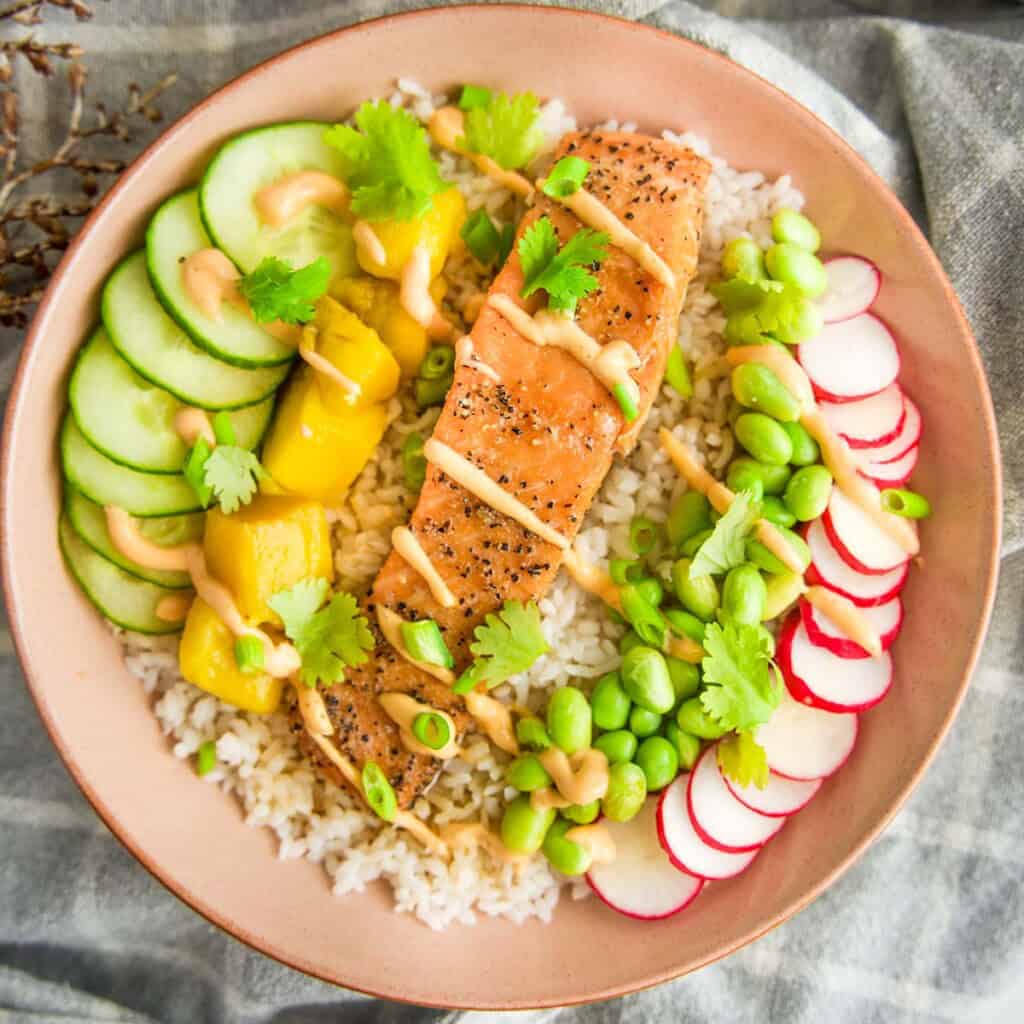
This salmon rice bowl recipe is a HUGE favorite amongst my clients. It’s a great example of how you can still use a few convenient or packaged ingredients and still make a really balanced, nourishing meal.
Black Bean and Mango Salad
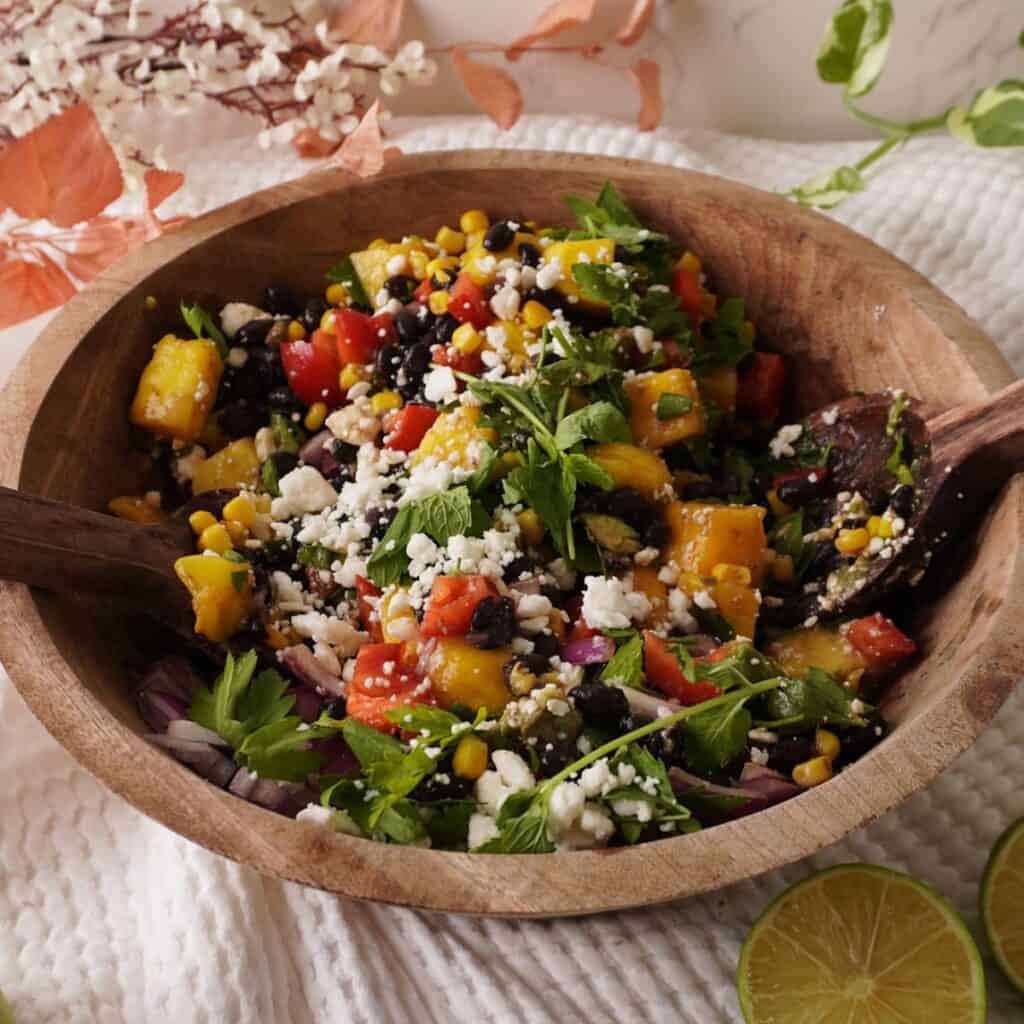
One of the most colorful salads on this blog! We have fiber-rich black beans combined with mango, bell peppers, corn, avocado and red onion. Its a great vegetarian option but can easily be made vegan too.
Tomato Carrot Soup
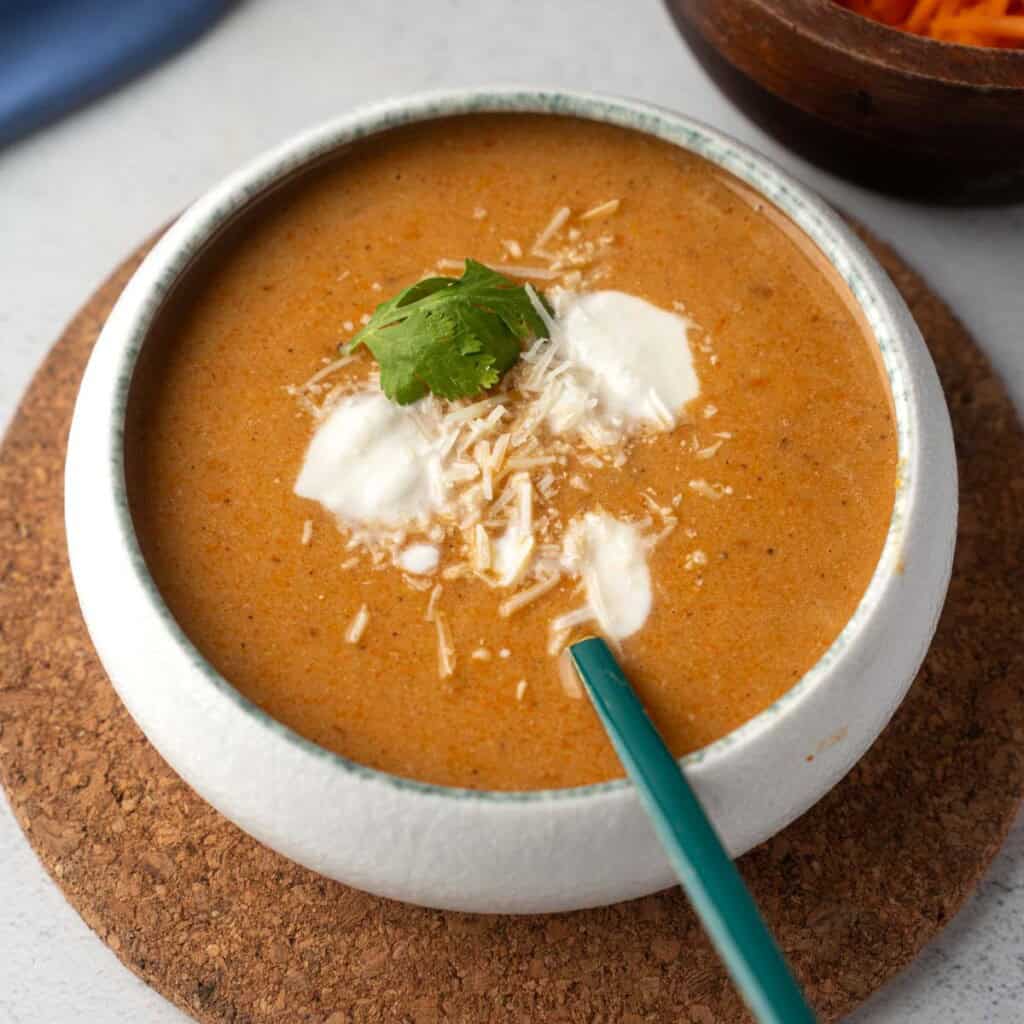
In this soup we roast the veggies first adding that deep, caramelized flavor. Then we blend in white beans and bone broth which gives it way more protein and fiber than your usual store-bought tomato soup.
Spicy Chicken Salad
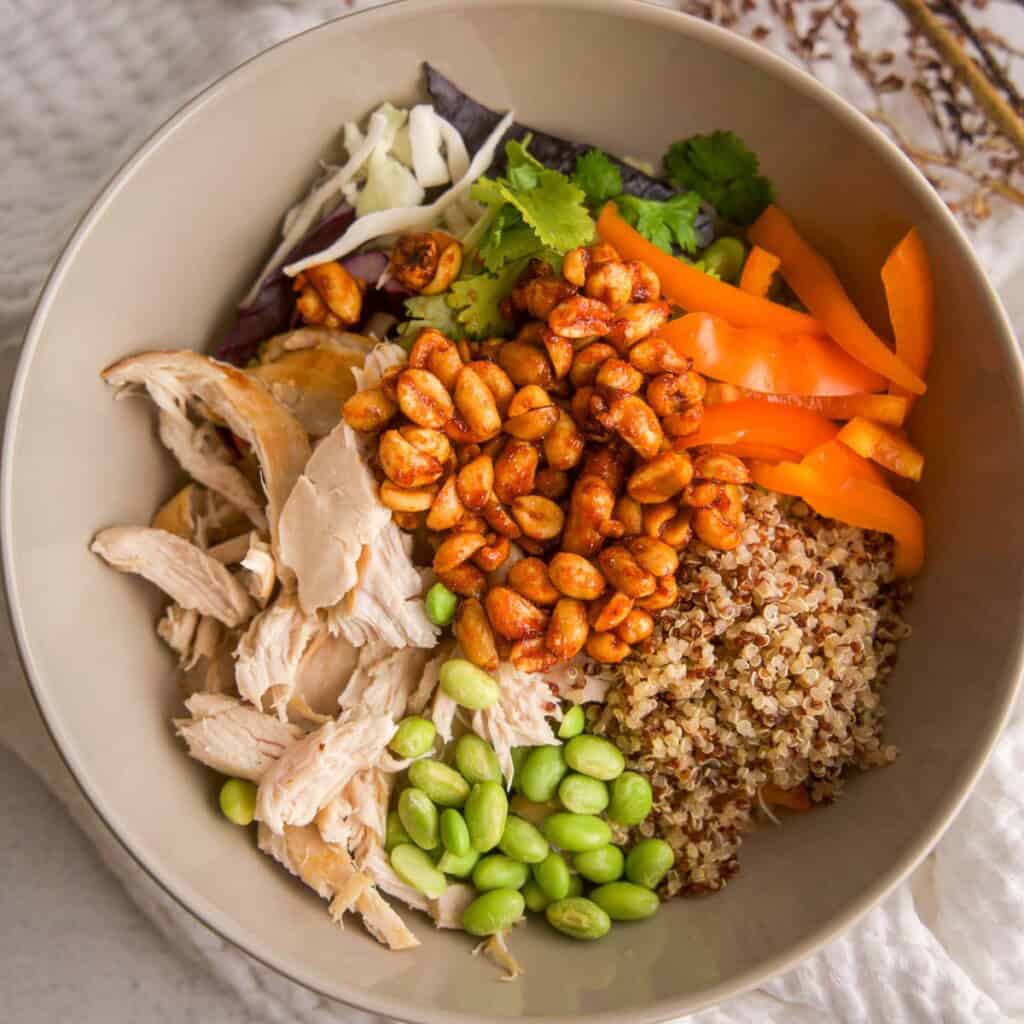
This salad is full of Asian-inspired flavors, crunchy textures, and an impressive 47 grams of protein per serving. It features homemade roasted spicy peanuts, nutty quinoa, fresh vegetables, and a zesty ginger-lime dressing that ties everything together.
Green Goddess Sandwich

Way too many people are still scared of bread, but a sandwich made correctly can be a perfectly well-balanced lunch and this green goddess sandwich is the perfect example.
Vegan Summer Rolls Recipe
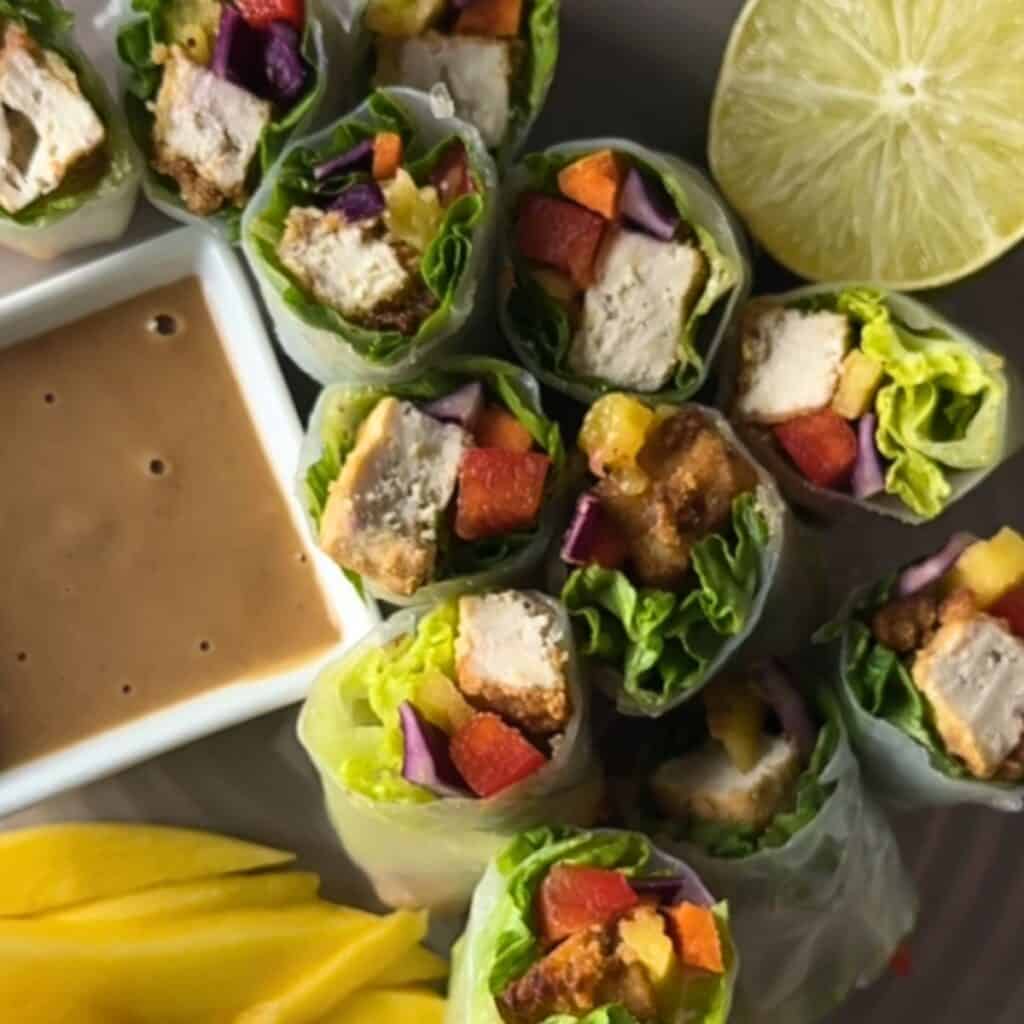
Not just for summer! You can mix and match the fillings to create countless combinations, making them a great way to get in lots of colorful vegetables.
Chicken Shawarma Bowl Recipe
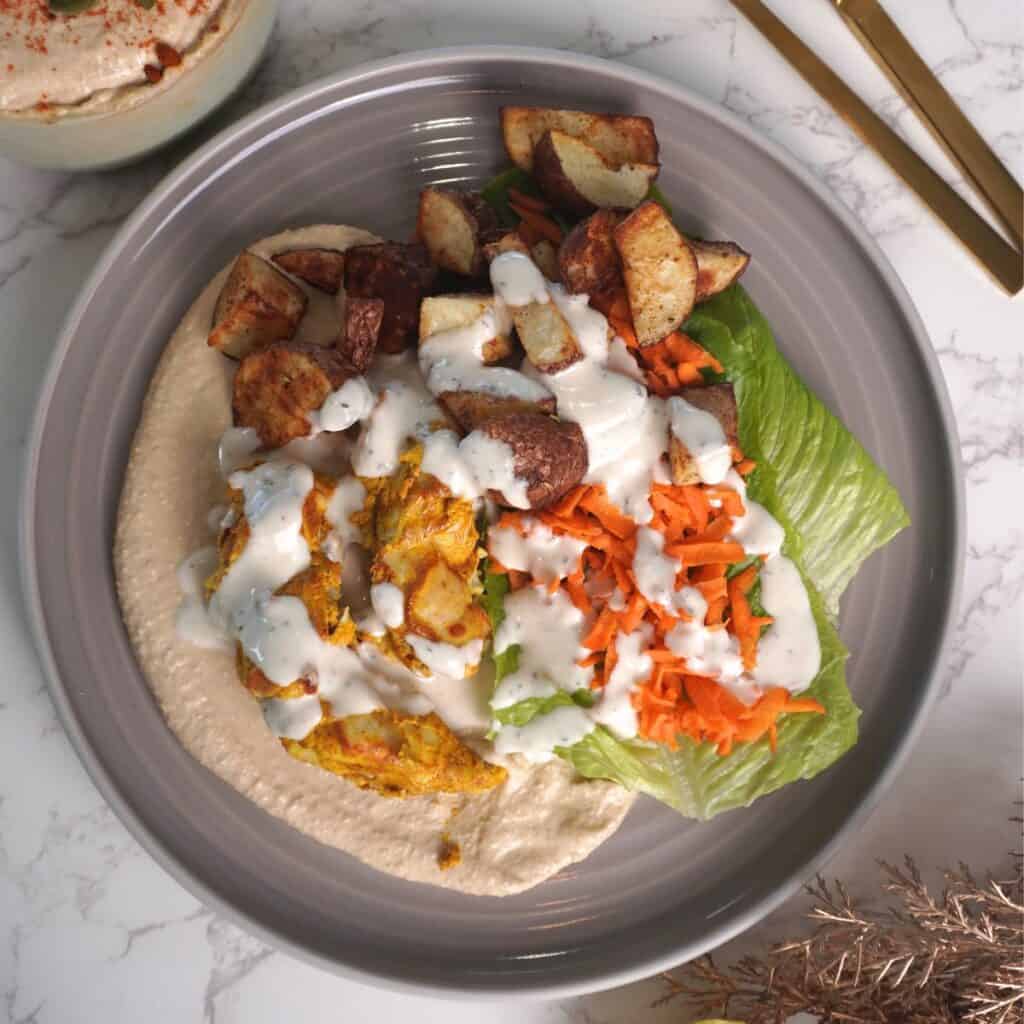
Warm spices like cumin, coriander, and turmeric coat the chicken in this Mediterranean-inspired bowl. Serve it with vegetables, air fryer potatoes and some high protein hummus to truly complete the meal.
Anti-Inflammatory Dinner Recipes
End your day with these nourishing dinner recipes that fight inflammation while keeping you satisfied.
Pesto Ricotta Pasta
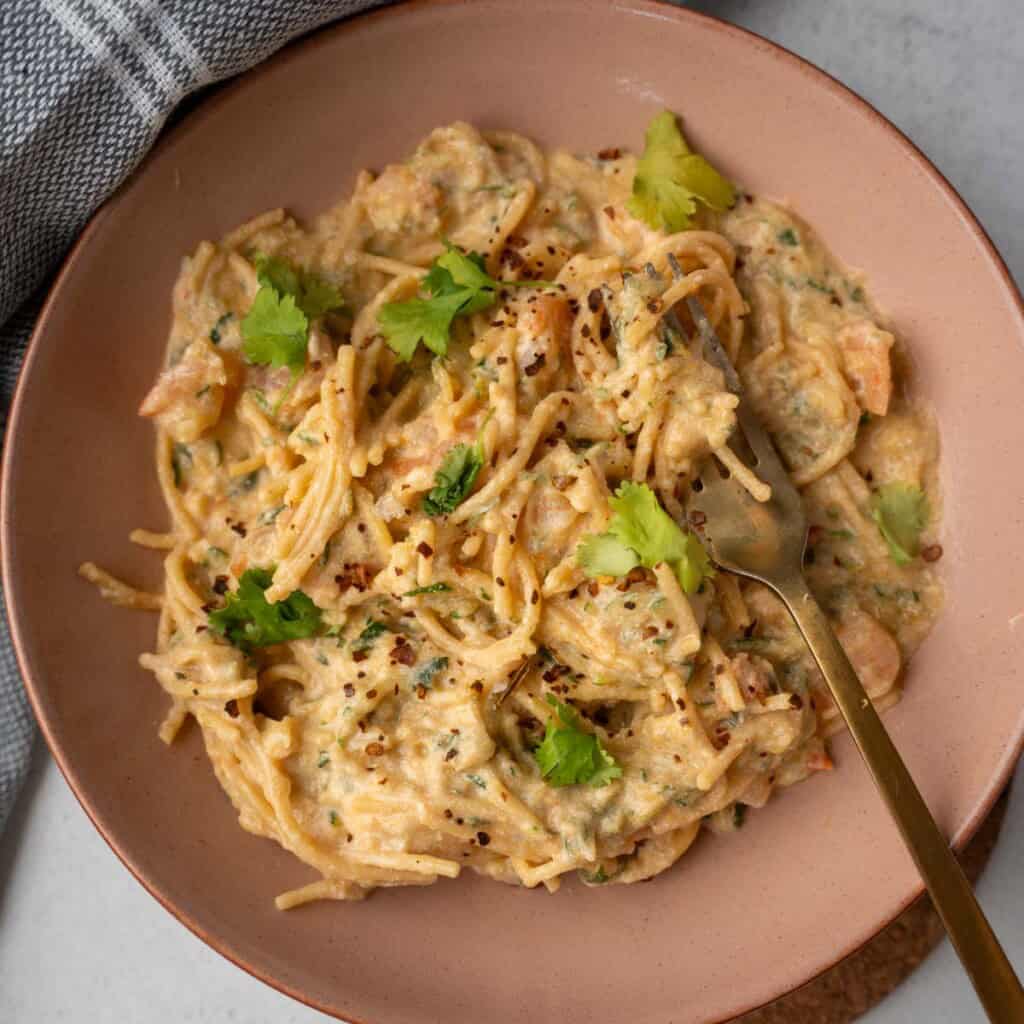
This easy pesto ricotta pasta makes a great weeknight meal. it uses grated zucchini to sneak in greens and a simple sauce of ricotta, pesto, and lemon juice coats the rest of the dish.
Save This Recipe! 💌
Halloumi Tacos Recipe

Another plant based option that's a strong contender against your classic meat taco
Cheesy White Bean Tomato Bake
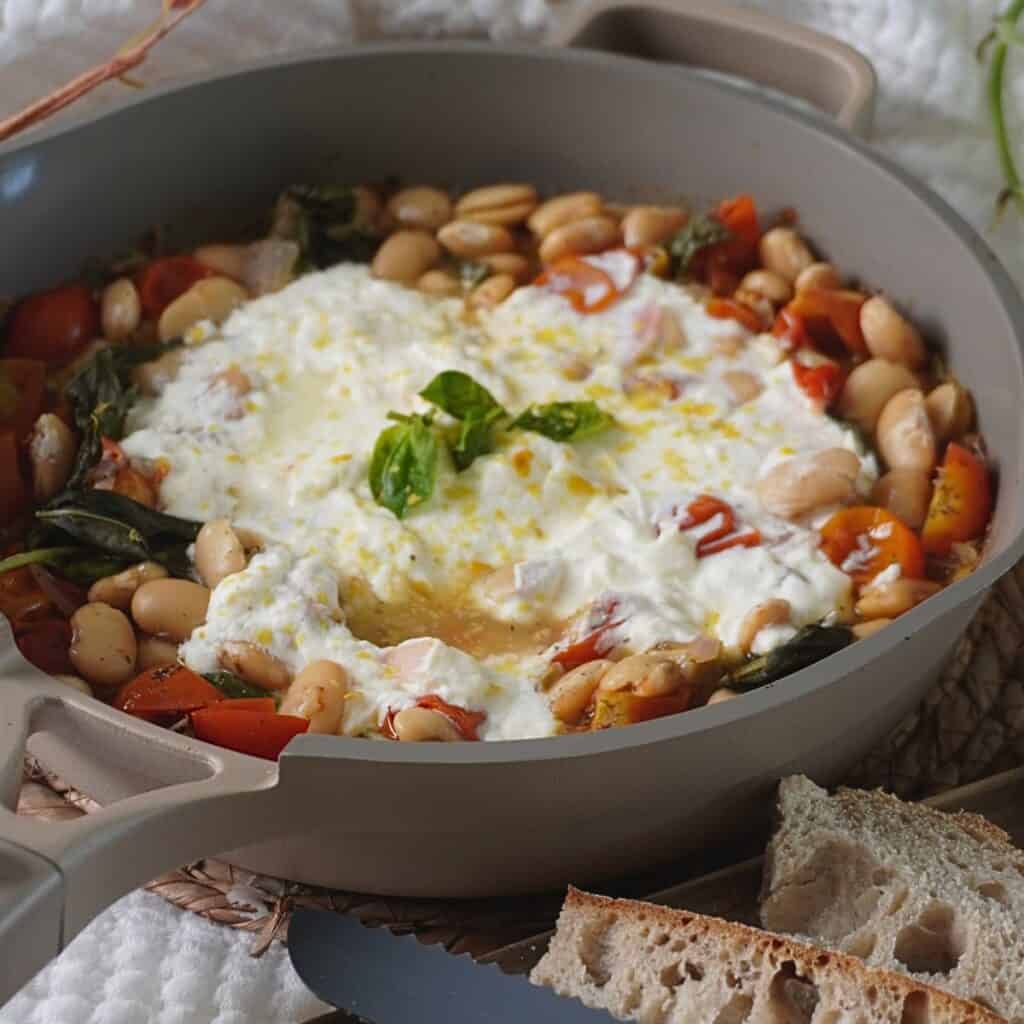
White beans are packed with fiber and prebiotics that feed beneficial gut bacteria. I also love that this is a one-pot dish so there is very little clean up.
Healthy Marry Me Chicken
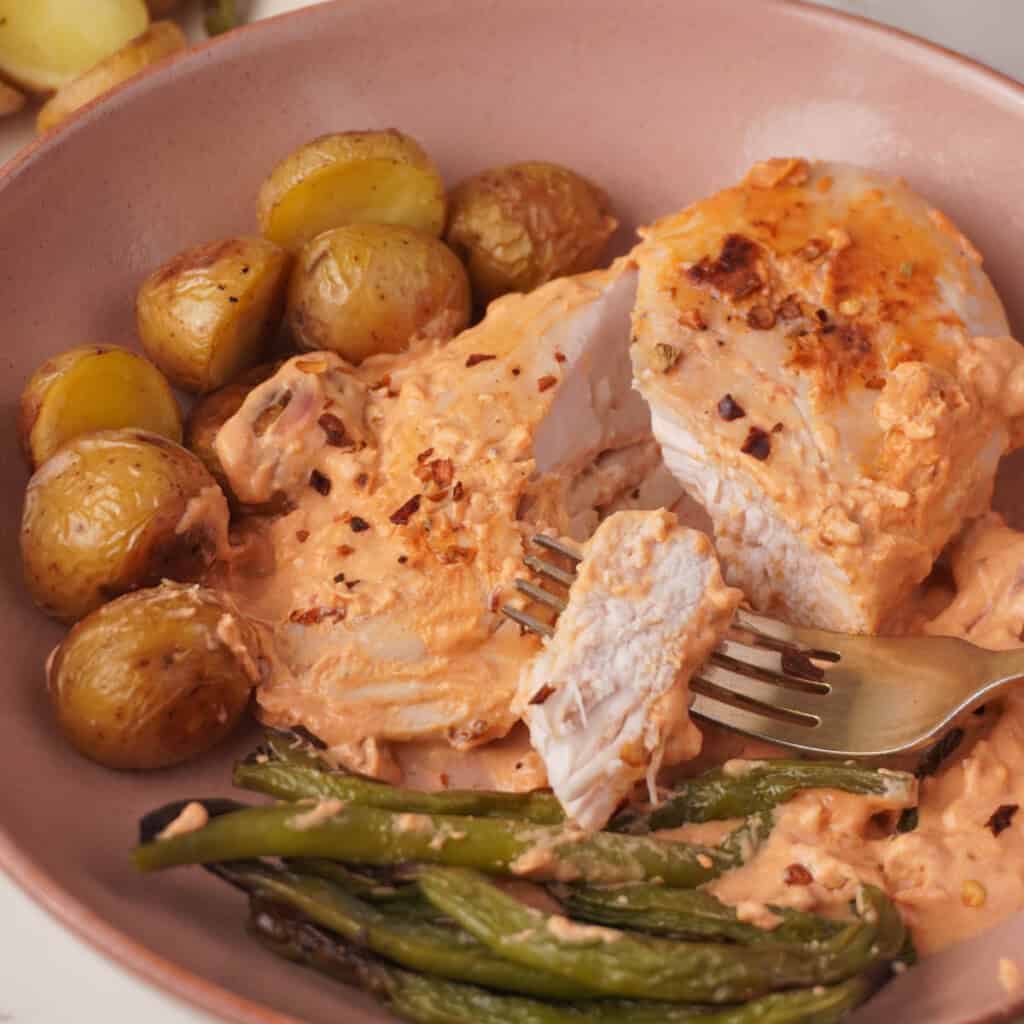
In this version of Marry Me Chicken, I swap heavy cream for light cream cheese. It cuts the calories and saturated fat, but you still get that gorgeous creamy sauce everyone loves.
Quorn Chilli Con Carne

A vegetarian chilli packed with beans, tomatoes, peppers, and warming spices. Beans are excellent for gut health and provide plant-based protein.
Air Fryer Turkey Meatballs
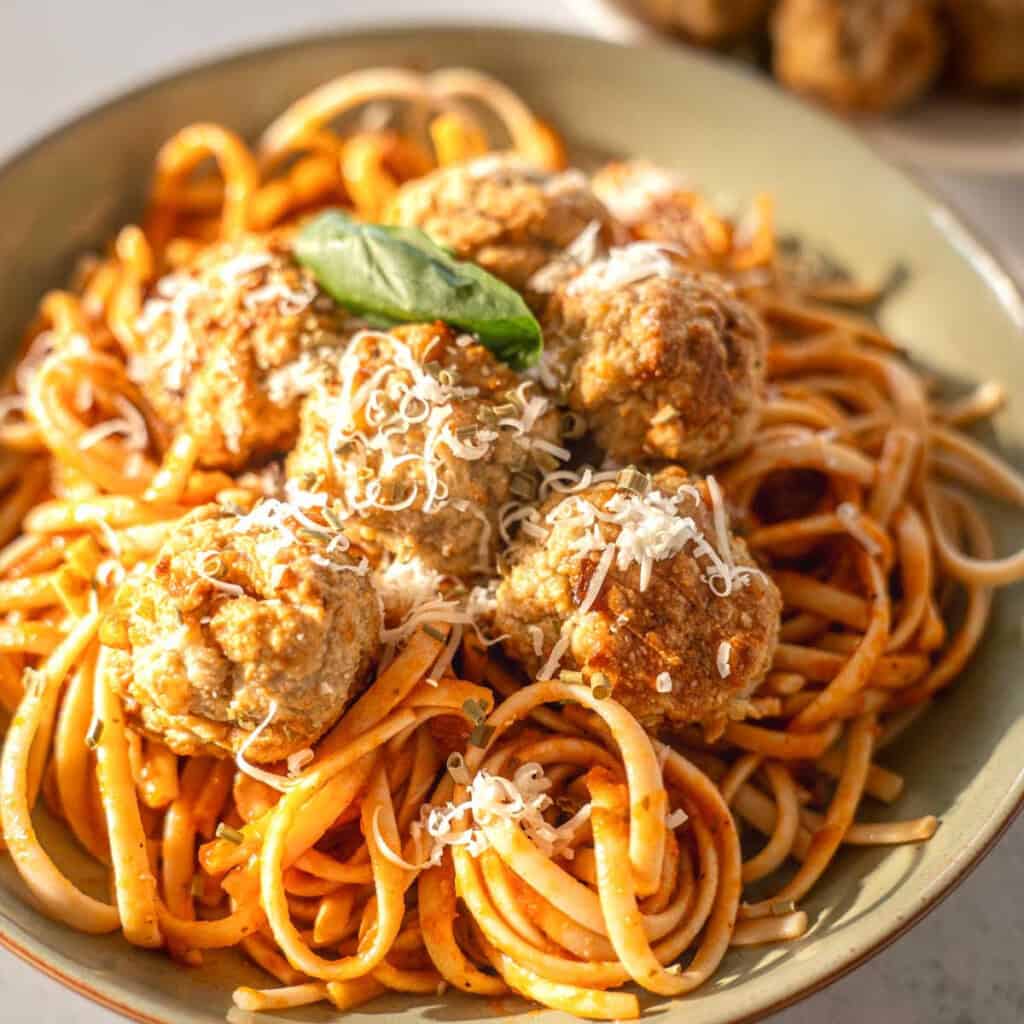
These are a weekly staple in my house as you can enjoy them in a tomato sauce for dinner or a pita/wrap for lunch.
Anti-Inflammatory Snack Recipes
Snacking is where a lot of people slip up. It’s so much easier to grab something quick and packaged, but those kinds of snacks are often higher in sugar, salt, and saturated fat.
This is why I always encourage my clients to plan not just their meals, but their snacks too. When you have nutritious options ready to go, you’re far less likely to reach for whatever is easiest in the moment.
Mediterranean Roasted Chickpeas
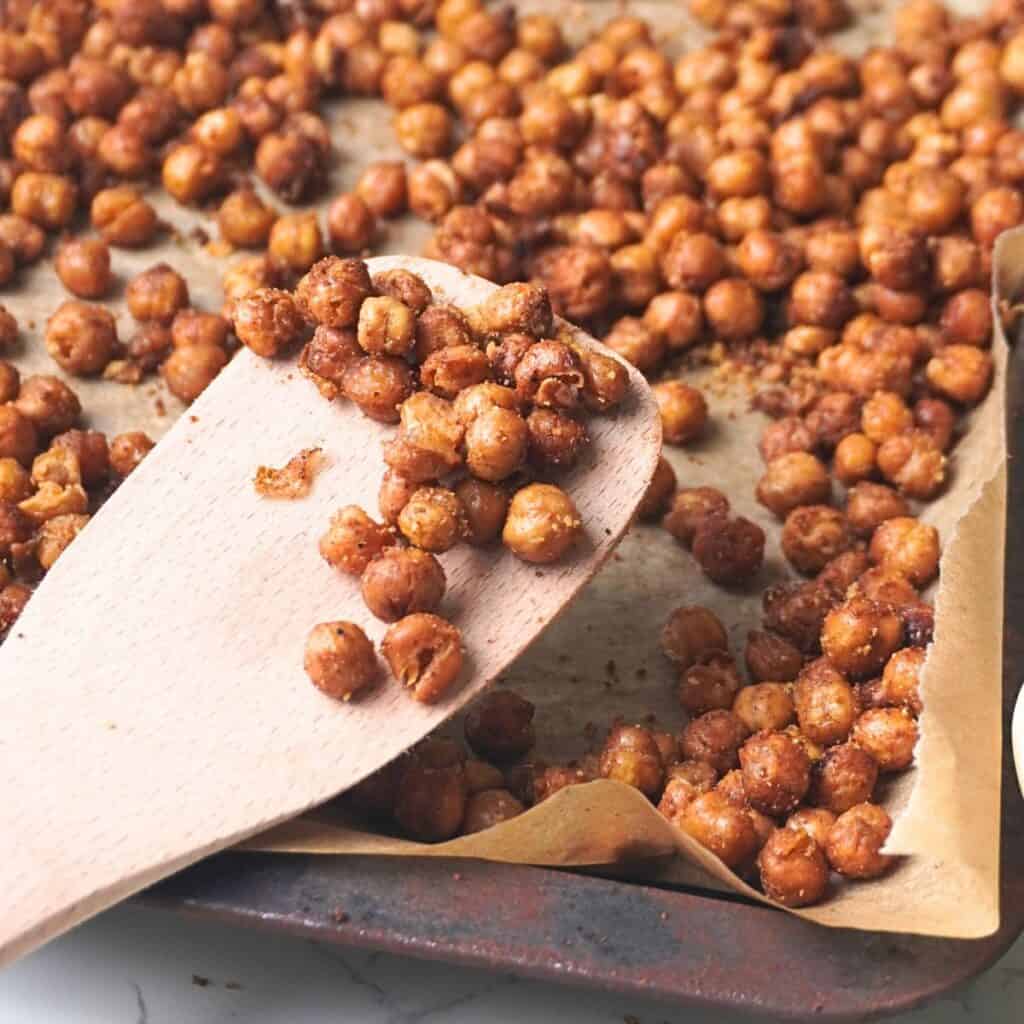
Crunchy, satisfying, and packed with fiber, these are a great option if you crave a savory snack. They also work really well sprinkled over salads, soups, or grain bowls as a crunchy topper.
High Protein Hummus
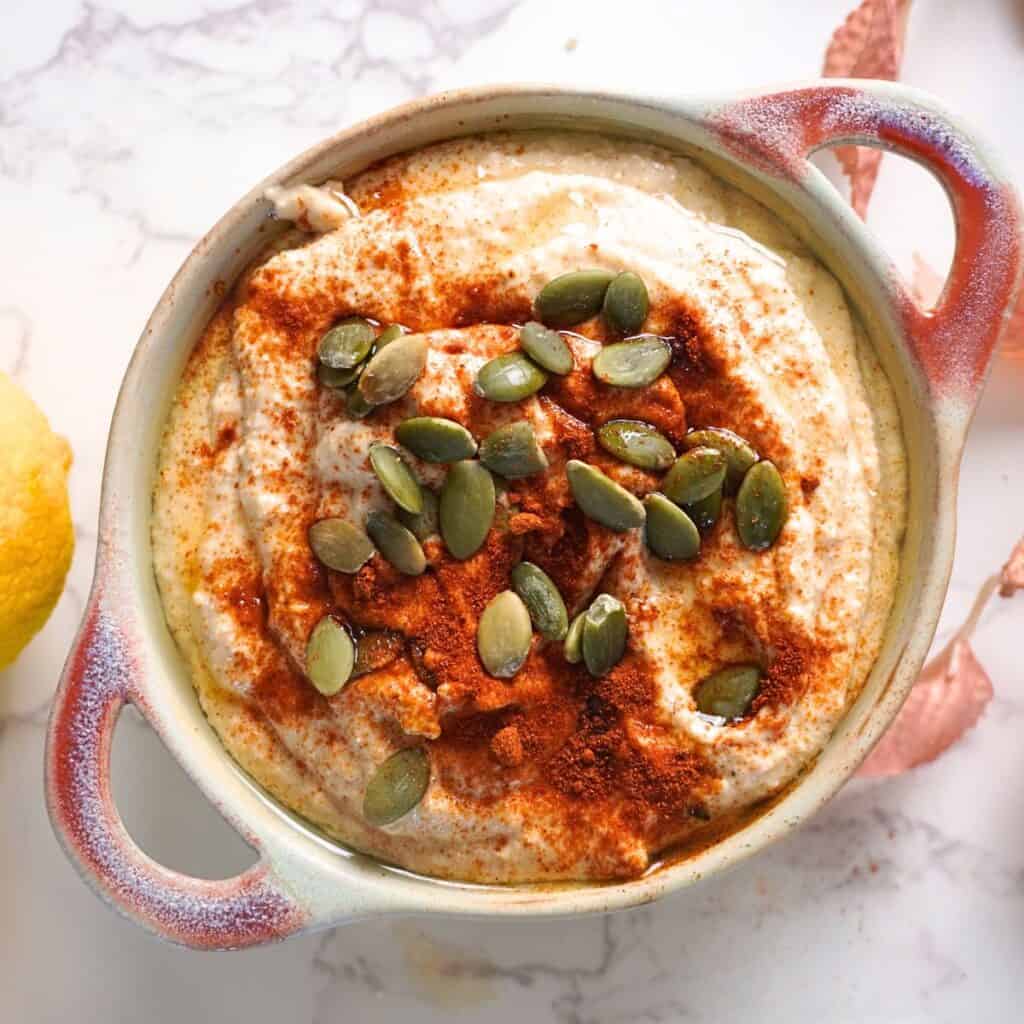
Not your usual hummus! I add one simple ingredient that makes it extra creamy and gives you both healthy fats and protein in every serving.
Greek Yogurt Fruit Dip
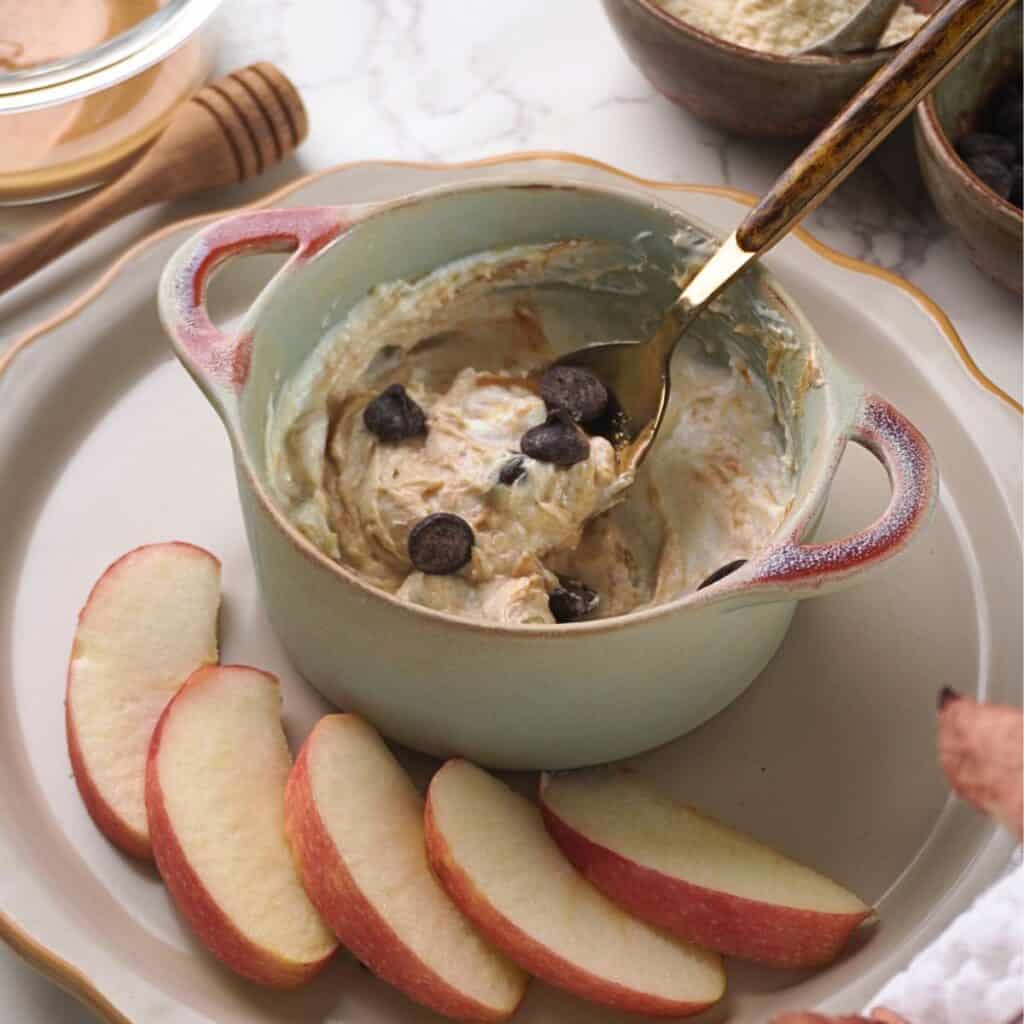
An easy way to jazz up plain Greek yogurt. Most flavored yogurts contain either added sugars or artificial sweeteners, so this is a great DIY version you can make at home.
Chocolate Peanut Butter Protein Balls Recipe

Sub your protein bar for these homemade protein balls with only 5 ingredients.
Snickers Yogurt Cups
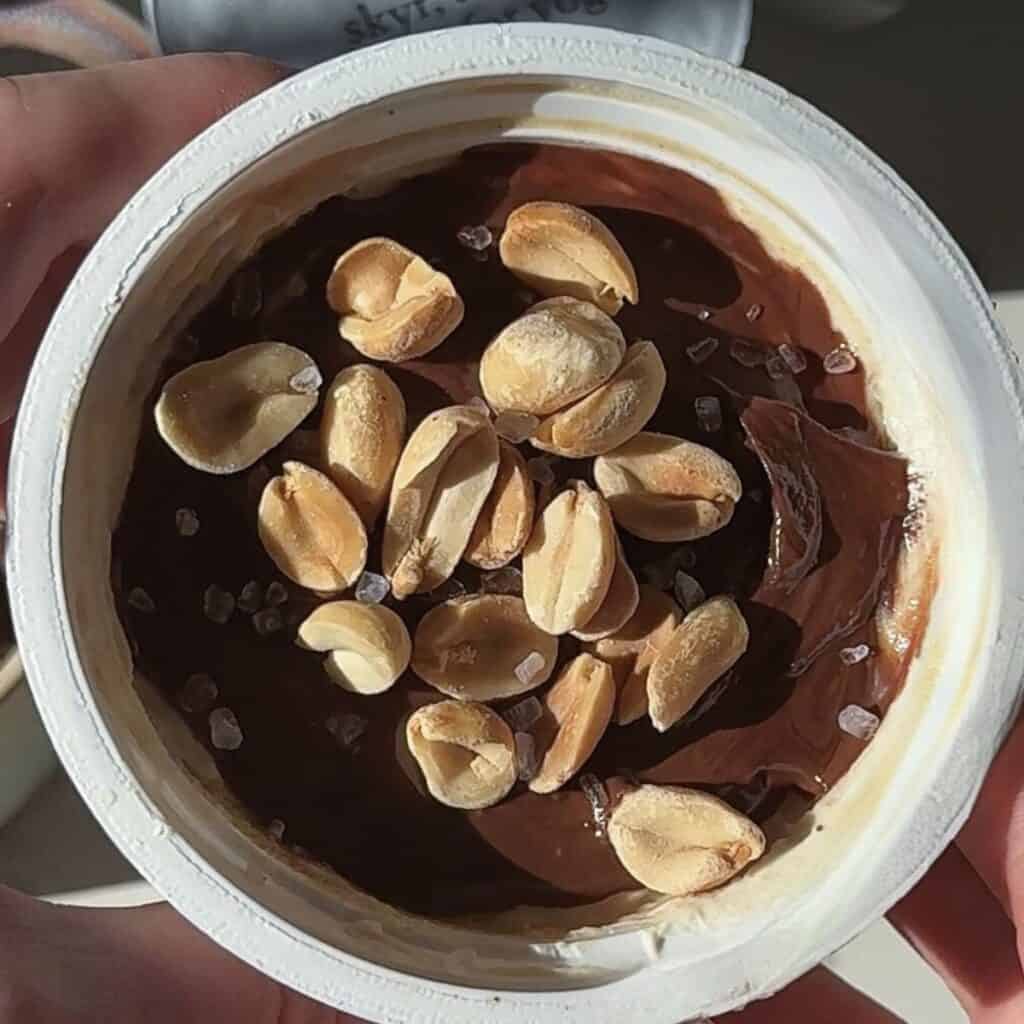
These Snickers-inspired yogurt cups are one of those treats that make healthy eating feel easy and enjoyable. You still get something sweet and satisfying, without feeling restricted.
Oat Breakfast Bars
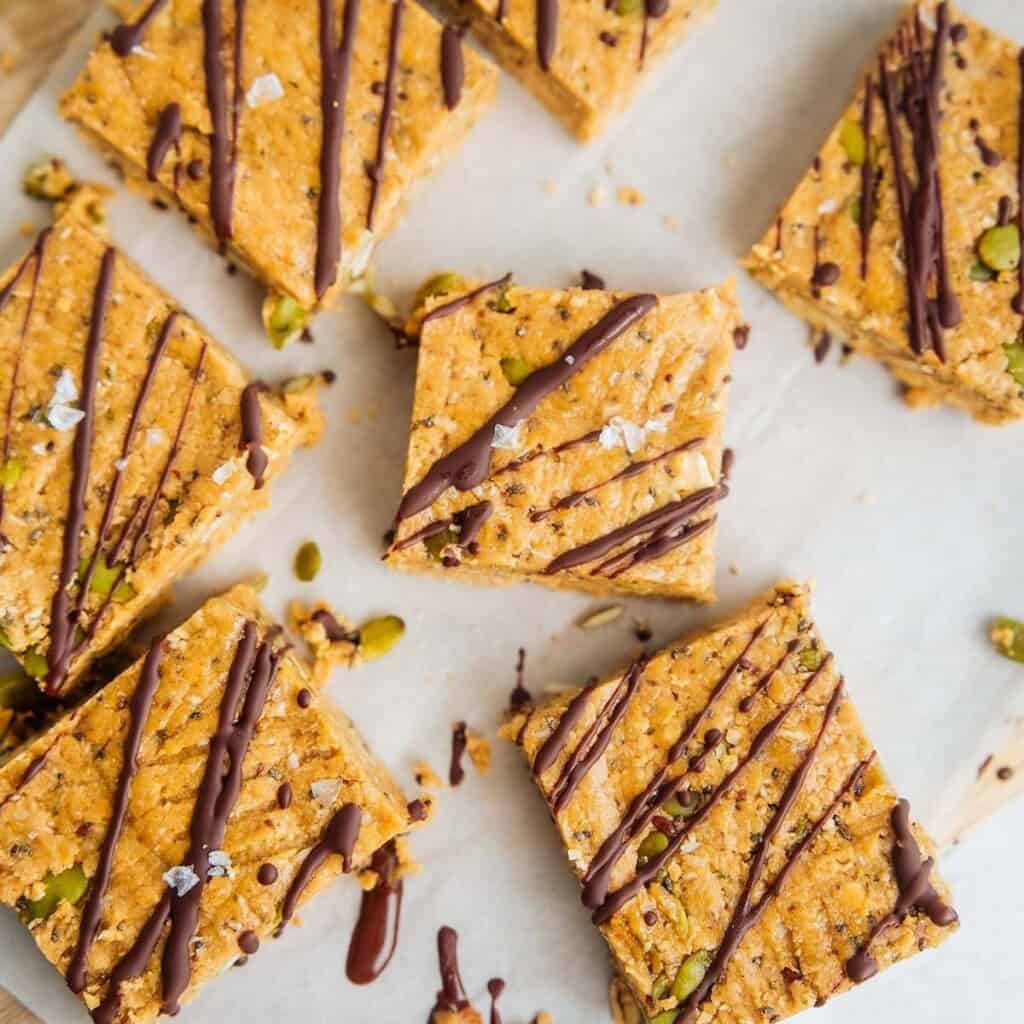
These Oat Breakfast bars can serve as a grab and go breakfast or a wholesome snack. I love to have them as a pre-workout snack too.
Soya Protein Crisp Bars
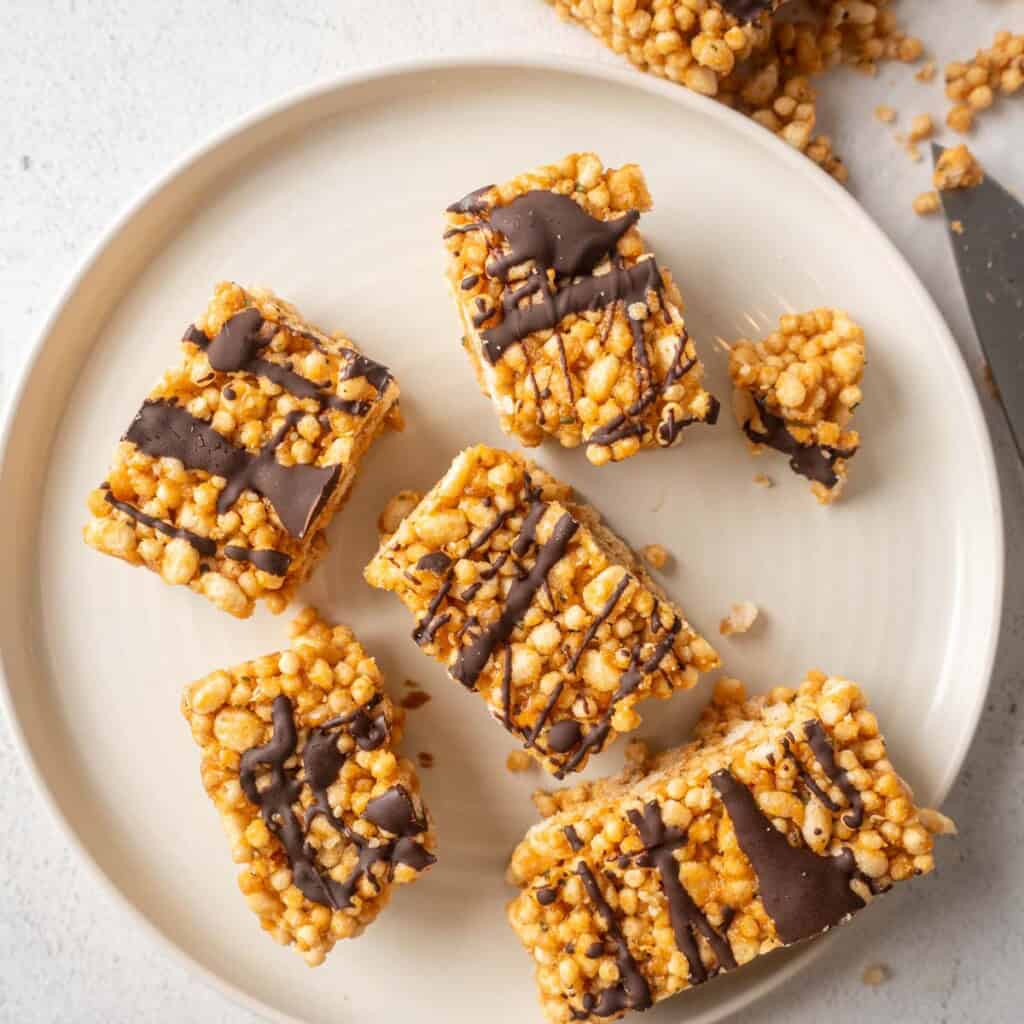
These high protein soy crisp bars are exactly what you want to reach for when an afternoon sweet craving hits. They are made with much more wholesome ingredients than most packaged snacks, and honestly the only challenge is practicing portion control.
Anti-Inflammatory Sides & Extras
The little condiments that bring your meals together.
Pistachio Pesto
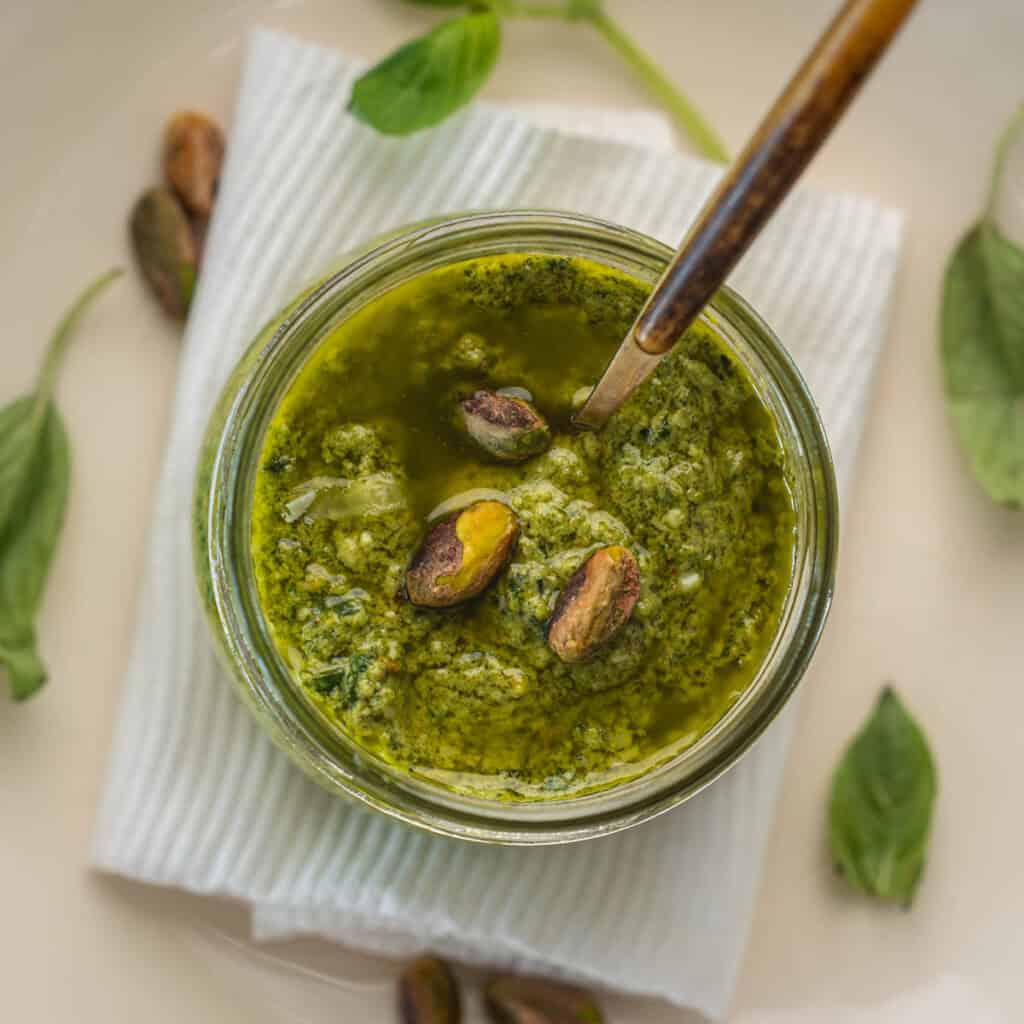
You can add this pesto to sandwiches, wraps, home-made pizza bases, bowls and salads. Making your own pesto at home is way easier than you realize, I promise!
Tahini Yogurt Dressing
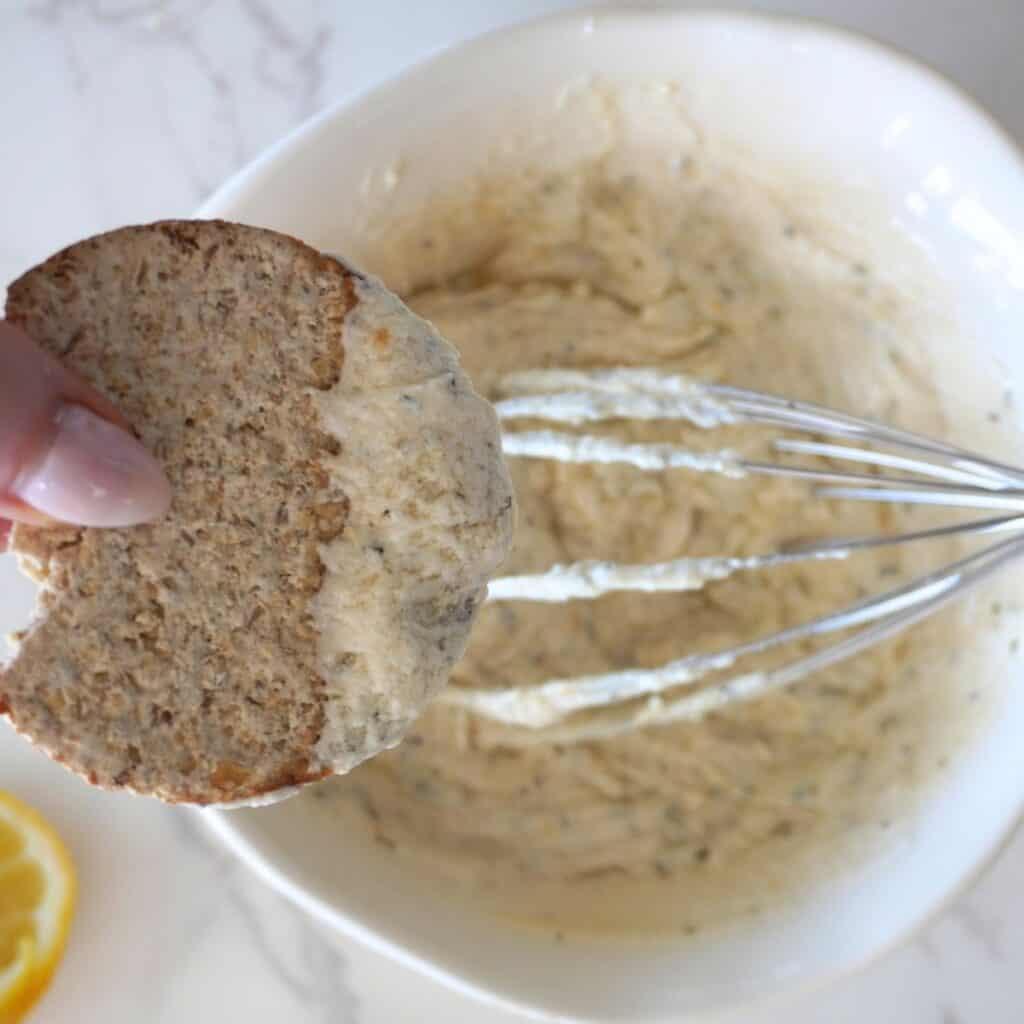
This dressing is addictive. It works well over cold salads or drizzled over warm dishes too!
Chia Berry Jam
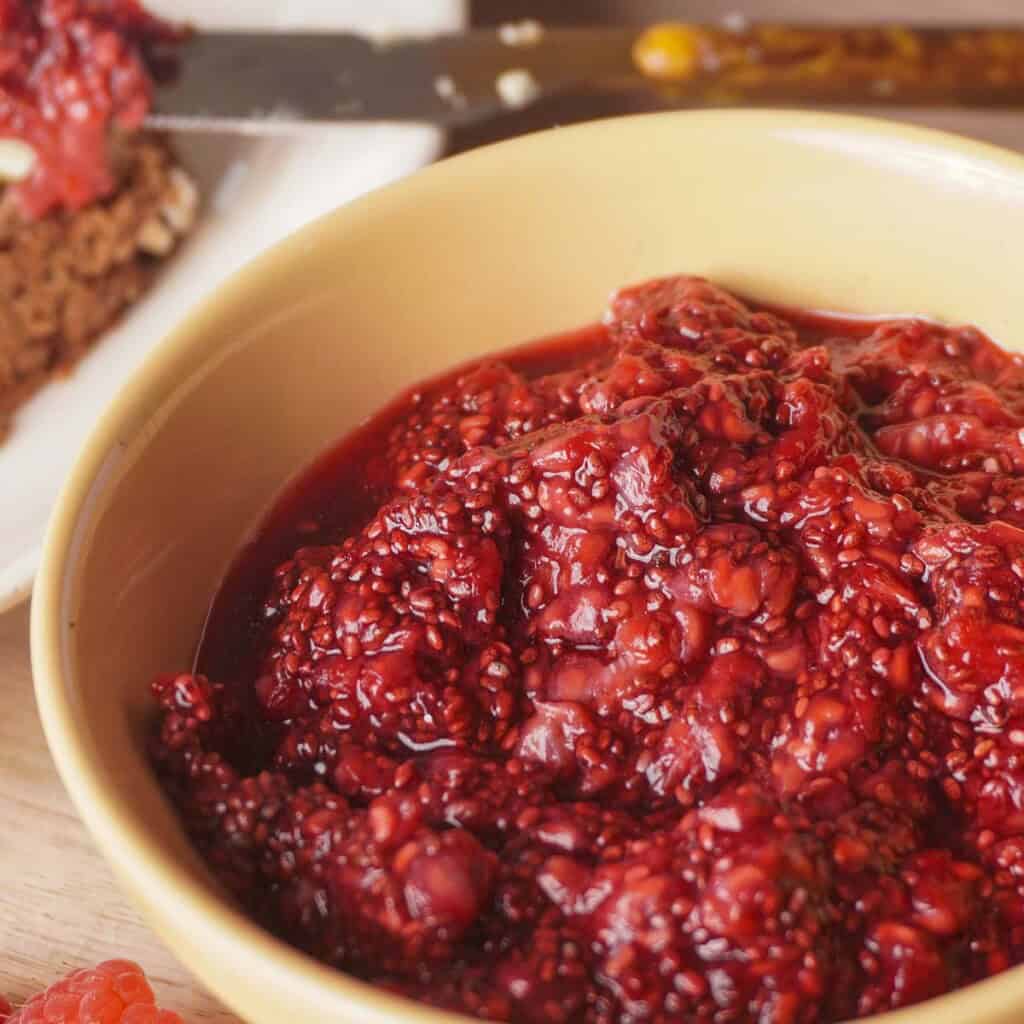
Swap your regular jam for this homemade version. I use raspberries in this recipe but you could use blueberries or blackberries too.
Meal Prep Tips
Whenever I have a client who is new to meal prep, I encourage them to start small. Pick just 2–3 recipes, no more. What I usually suggest is one breakfast, one snack, and one lunch option, such as:
- Prep overnight oats: Make 3-5 jars of high protein overnight oats for grab-and-go breakfasts.
- Make healthy granola: One batch lasts 2-3 weeks and contains multiple plant foods. You can add a sprinkle over Greek yogurt to have as a snack during the week.
- Prep mason jar salads: Layer dressing, sturdy vegetables, grains, and greens for easy grab-and-go lunches.
Once those are sorted, organize your grocery list so you have everything you need for the dinners you want to make that week.
If you have extra time, you can prep some basic ingredients ahead as well:
Batch cook whole grains:
Cook a big batch of brown rice, quinoa, or farro and store it in the fridge for easy bowl meals all week.
Roast vegetables in bulk:
Roast a large tray of mixed vegetables with olive oil and spices. Use them in salads, bowls, wraps, or alongside dinner.
Make one versatile sauce or dressing:
Having a tasty sauce on hand can instantly jazz up even the plainest meal.
FAQS About Anti-Inflammatory Recipes
The most anti-inflammatory foods include oily fish (salmon, mackerel, sardines), berries, leafy greens, olive oil, nuts, turmeric, ginger, and green tea. The key is eating a variety of these foods regularly rather than focusing on just one "superfood."
Yes! All vegetables provide anti-inflammatory benefits.
Yes! Anti-inflammatory recipes emphasize whole foods, lean proteins, and fiber, which naturally support healthy weight management. The focus is on health rather than restriction. See my weight loss tips for more guidance.
No! It's about what you eat most of the time. Focus on adding more anti-inflammatory foods rather than stressing about occasional treats. The 80/20 approach works well for most people.
I tell all my clients that you can start feeling better within one day of starting to eat healthier, because it can impact your mood and energy. However for more significant improvements like improved blood markers these typically occur within 3-6 months of consistent anti-inflammatory eating.
Conclusion
Eating anti-inflammatory doesn't mean sacrificing flavor or making meals unnecessarily complicated. Start small by incorporating one to two of these recipes into your weekly rotation. Instead of trying to cut out more processed inflammatory foods you will naturally displace your intake of these by focusing on more of the good stuff.
Remember the key principles:
- Eat the rainbow with colorful fruits and vegetables
- Include oily fish ~2 times per week
- Choose whole grains over refined
- Use olive oil as your primary fat
- Season generously with herbs and spices
- Focus on whole, minimally processed foods
Ready to dive deeper? Download my complete Anti-Inflammatory Diet Plan with free PDF for a comprehensive guide, shopping lists, and meal planning templates.
References:
American Gut Project: Consume >30 plant foods a week for gut diversity
Diabetology & Metabolic Syndrome: The Effect of Cinnamon Supplementation on Glucose Control
Food & Function: Anti-inflammatory effects of cinnamon extract and identification of active compounds influencing the TLR2 and TLR4 signaling pathways
Journal of the American College of Nutrition: Omega-3 fatty acids in inflammation and autoimmune diseases




Comments
No Comments