


This Sardines Puttanesca is one of my go-to last-minute dinners, and as a dietitian I love it because it’s rich in omega-3s while using low-mercury tinned fish. It’s packed with anti-inflammatory Mediterranean ingredients like tomatoes, olive oil, olives and capers, making it both nourishing and full of flavor.

I’m always trying to encourage people to eat more fish, and sardines are one of the foods I’m making a bigger effort to include this year because of how nutritious and affordable they are. They’re rich in omega-3s, low in mercury, and a great addition to an anti-inflammatory way of eating, which can support everything from heart health to fertility, but really benefits everyone.
If you don’t regularly eat oily fish, I usually suggest considering an omega-3 supplement as a helpful addition, ideally from a high-quality fish oil source. You can learn more about the supplements I recommend as a dietitian here.
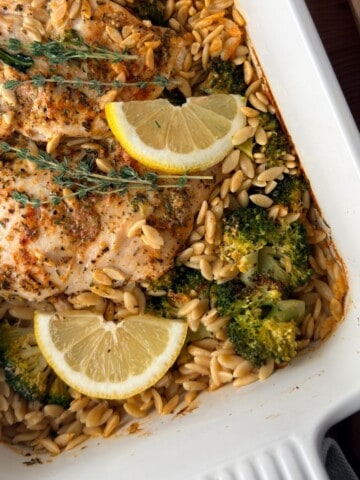
If you love pasta recipes that pack in nutrition, you might also enjoy my cottage cheese pasta sauce or pesto ricotta pasta for more high-protein options. Or if you're looking for another Mediterranean-inspired pasta dinner but prefer chicken, my lemon chicken orzo pasta bake is another easy option. It combines chicken, orzo and broccoli in one baking dish with lemon, Greek yogurt and herbs.
A Quick Look At This Recipe
✅ Recipe Name: Sardine Puttanesca (Veggie-Packed & Budget-Friendly)
🕒 Ready In: ~45 minutes (15 min prep + 30 min cook)
👪 Serves: 5
🍽 Nutrition: ~426 calories and 24 grams of protein per serving
🥣 Main Ingredients: Sardines, anchovies, plum tomatoes, artichoke hearts, zucchini/courgette, capers, olives, pasta
📖 Dietary Info: Dairy-free, can be made gluten-free, high in omega-3s. This recipe is great for overall health but particularly beneficial for anyone trying to manage their weight, improve heart health, fertility outcomes or reduce inflammation.
⭐ Why You'll Love It: The main ingredients are pantry staples. Tinned sardines and anchovies deliver omega-3s without the mercury concerns of larger fish
Jump to:
Why This Recipe is Good For You
This fishy puttanesca goes wayyyy beyond being just a tasty pasta dish.
- Rich in Omega-3s: Between the sardines and anchovies, you're getting a substantial dose of EPA and DHA omega-3 fatty acids. These are the types of omega-3s your body can use directly (unlike the ALA found in plant sources like flaxseed, which your body has to convert). Omega-3s support heart health by helping to lower triglycerides and reduce inflammation throughout your body.
- Low Mercury Advantage: One of the reasons I recommend sardines and anchovies so often is that they're low on the food chain. This means they don't accumulate mercury the way larger, predatory fish like tuna or swordfish do. You can eat them regularly without worrying about mercury exposure, which is especially important if you're pregnant, trying to conceive, or feeding children.
- Fiber and Plant Diversity: The zucchini, artichoke hearts, tomatoes, capers, and olives all contribute to your daily vegetable intake. Artichoke hearts in particular are a great source of fiber and contain compounds that may support liver health and digestion.
- Anti-Inflammatory Eating Pattern: This recipe fits perfectly into an anti-inflammatory diet. The omega-3s, olive oil, tomatoes, and garlic all have anti-inflammatory properties. If you're dealing with conditions that involve chronic inflammation, meals like this one can be a helpful part of your overall eating pattern.
- Calcium for Bone Health: Sardines are a surprisingly good source of calcium because tinned sardines typically include the soft, edible bones. This recipe provides ~200mg calcium making it a great option for people who are dairy-free or looking for non-dairy calcium sources to support bone health.
One important note: while sardines and anchovies are incredibly nutritious, they are higher in sodium because they're typically packed in salt or brine. This recipe also includes naturally salty ingredients like capers, olives, and anchovies. If you're watching your sodium intake, rinse the capers and olives well, and use the lower-sodium versions of tinned tomatoes and sardines when possible.
Key Ingredients
The complete ingredient list with measurements can be found in the recipe card below.

- Red onion: I use red onion here for a slightly sweeter, milder flavor compared to yellow onion.
- Olive oil: Use a good quality extra virgin olive oil.
- Zucchini (courgette): This is one of my favorite veggies for soaking up flavor.
- Garlic: Five cloves might sound like a lot, but puttanesca is meant to be punchy.
- Chili flakes: Adjust to your heat tolerance. I use 2 teaspoons for a gentle warmth, but you can reduce or increase based on preference.
- Anchovies: These melt into the oil and add deep umami flavor without making the dish taste fishy. I used anchovies packed in water for this recipe to control the amount of fat but anchovies packed in oil would work great too. Don't skip them even if you think you don't like anchovies as they're essential for the authentic puttanesca flavor.
- Tomato purée (tomato paste): Adds concentrated tomato flavor and helps thicken the sauce.
- Tinned plum tomatoes: Use good quality tinned tomatoes. I prefer whole plum tomatoes that I crush myself, but chopped tomatoes work fine too.
- Capers: Drain and rinse them well to remove excess salt. They add a briny, tangy punch that's characteristic of puttanesca.
- Kalamata olives: Use pitted olives to save yourself time. Their meaty texture and rich flavor work perfectly here. Rinse them to reduce saltiness.
- Artichoke hearts: I use the ones packed in water rather than oil or marinade, so they don't add extra fat or conflicting flavors. Roughly chop them so they integrate into the sauce. These add a lovely tender texture and subtle flavor.
- Sugar: Just a half tablespoon to balance the acidity of the tomatoes. This is a traditional Italian technique.
- Tinned sardines: I used sardines packed in water rather than oil for this recipe. You want them whole or in large pieces, not mashed. You can choose boneless if preferred but I like to leave the bones as tey are soft and edible and provide a great source of calcium (you likely won't even notice the bones).
- Pasta: I use wholewheat spaghetti, but you can choose whichever pasta you like.
- Fresh parsley: Essential for finishing.
Ingredient Substitutions
Here are some tips to help you adjust the recipe to suit your individual dietary needs and preferences. I only recommend swapping 1 - 2 ingredients, so the original recipe doesn't completely change.
Gluten-free: Use gluten-free pasta. The rest of the recipe is naturally gluten-free.
Dairy-free: This recipe is already dairy-free, but some people like to finish puttanesca with a sprinkle of parmesan. If you want to keep it dairy-free, skip the cheese or use a dairy-free alternative.
Lower sodium: Rinse the capers, olives, and artichoke hearts thoroughly. Use low-sodium tinned tomatoes and sardines packed in water without added salt. You'll lose some of the traditional intensity, but it will still be flavorful.
Milder version: Reduce or omit the chili flakes. You can also use fewer anchovies (maybe just 1 tin instead of 2) if you want a less intense umami flavor.
Different vegetables: If you don't have zucchini, you can use bell peppers, mushrooms, or even spinach stirred in at the end. Artichoke hearts can be swapped for sun-dried tomatoes or roasted red peppers.
Hate sardines? You could swap for two tins of tuna instead but your changing the star player in the recipe. I still love tinned tuna but it doesn't contain omega-3s like sardines.
Please note: This recipe has not been tested with other substitutions or variations. If you replace or add any ingredients, please let me know in the comments below! I'd love to hear how it worked out! 💛
Equipment
I made this dish in my Le Creuset Enameled Cast Iron Signature Braiser. I have this in the 3.5 qt size in the color meringue. It's expensive but its something that is extremely durable and should last you for many years to come.
Save This Recipe! 💌
How To Make This Sardines Puttanesca
Below are the simple steps for how to make this recipe with visuals I hope are helpful! Don't forget to check out the recipe card at the bottom for the full recipe.

- Heat 2 tablespoons of olive oil in a large pan over medium heat. Add the finely diced red onion with a generous pinch of salt and cook for 8 to 10 minutes, stirring occasionally, until soft and lightly golden.

- Add the sliced zucchini to the pan and cook for 3 to 4 minutes until just tender but still holding its shape.

- Add the finely chopped garlic, chili flakes, and both tins of drained anchovies. Cook gently for about 2 minutes, using a wooden spoon to break up the anchovies until they melt into the oil and become fragrant.

- Stir in the tomato purée and cook for 1 minute. Then add both tins of plum tomatoes, crushing them slightly with your spoon. Bring to a simmer and cook for 15 to 20 minutes, stirring occasionally, until the sauce has thickened. Meanwhile, cook your pasta according to package instructions.

- Drain and rinse the capers and olives, then add them to the sauce along with the roughly chopped artichoke hearts. Simmer for another 2 to 3 minutes to let everything meld together. Taste the sauce and add the sugar to balance the acidity.

- Drain the sardines and add them to the pan in chunks. Gently stir to warm them through without completely mashing them. I like to leave some larger pieces of sardine visible. Remove the pan from the heat.

- Drain the pasta (reserving some pasta water) and add it directly to the pan with the sauce. Add some of the reserved pasta water to thin the sauce if needed. Stir in the freshly chopped parsley and sprinkly over additional chili flakes if desired.
Expert Tips for Making This Recipe
Don't skip softening the onion properly. Those 8 to 10 minutes of gentle cooking are what build the sweet, caramelized base that balances all the salty, briny ingredients. If you rush this step, the onion will taste raw and sharp.
Break up the anchovies, but leave the sardines chunky. The anchovies should completely melt into the oil and become part of the sauce base. But the sardines are the star protein here, so I like to leave them in visible chunks rather than mashing them completely.
Rinse your capers and olives. They're packed in a lot of salt, and rinsing them helps control the overall sodium level of the dish. You'll still get all their flavor.
Use the pasta water strategically. That starchy water is much better then simply adding regular water to thin your sauce. Add slowly and only as needed depending on how thick or thin you want the sauce.
Taste before adding salt. I cannot stress this enough. This recipe has so many naturally salty ingredients that you may not need to add any salt at all.
Recipe FAQS
Traditional puttanesca is typically made with anchovies only, not sardines. The addition of sardines makes this a more substantial, protein-rich meal. You could also use tinned tuna if you don't like sardines.
Yes, you can skip the zucchini and artichoke hearts for a more classic puttanesca.
You can, but you'll lose some of the deep umami flavor that makes puttanesca so special. If you really can't do anchovies, you could substitute with a tablespoon of fish sauce or a teaspoon of miso paste dissolved in a little water for similar savory depth.
Related Recipes
Looking for other nutritious dinner recipes like this? Try these:
Want to Learn About Nutrition?
Here are some nutrition education articles from a dietitian! And if you have any questions, feel free to reach out, I'm always happy to help.



📖 Recipe

Sardine Puttanesca (Veggie-Packed & Budget-Friendly)
Equipment
- heavy based pan Use a large, deep pan or skillet that can hold all the sauce ingredients comfortably and has room for tossing the pasta at the end.
Ingredients
- 2 tablespoons olive oil
- 1 large red onion finely diced
- 1 medium courgette (zucchini) sliced into half-moons (about 200 grams or 1.5 cups)
- 5 cloves garlic finely chopped
- 2 teaspoon chili flakes
- 2 tins anchovies drained (about 240 grams or 8 ounces total)
- 2 tablespoons tomato purée
- 2 x 400 gram tins 14 ounces plum tomatoes
- 200 grams pasta dry weight
- 80 grams capers drained and rinsed (about ⅓ cup)
- 100 grams pitted Kalamata olives drained and rinsed (about ⅔ cup)
- 1 jar artichoke hearts roughly chopped (about 165 grams or 5.8 ounces, drained weight)
- 2 tins sardines drained (about 240 grams or 8 ounces total)
- ½ tablespoon sugar
- Large handful fresh parsley finely chopped
- Salt use carefully to taste
Optional
- grated parmesan to garnish
Instructions
- Heat 2 tablespoons olive oil in a large pan over medium heat. Add onion with a generous pinch of salt and cook for 8 to 10 minutes until soft and lightly golden.1 large red onion, 2 tablespoons olive oil
- Add the courgette and cook for 3 to 4 minutes until just tender.1 medium courgette (zucchini)
- Add garlic, chili flakes, and anchovies. Cook gently for 2 minutes, breaking up anchovies with a wooden spoon until they melt into the oil.5 cloves garlic, 2 teaspoon chili flakes, 2 tins anchovies
- Stir in tomato purée for 1 minute. Add plum tomatoes, crushing slightly with your spoon. Simmer 15 to 20 minutes until thickened.2 tablespoons tomato purée, 2 x 400 gram tins
- Meanwhile cook your pasta as per package instructions.200 grams pasta
- Add capers, olives, and artichokes. Simmer 2 to 3 minutes.80 grams capers, 100 grams pitted Kalamata olives, 1 jar artichoke hearts
- Add sardines in chunks and warm through gently. Add the sugar to balance acidity. Taste and add extra salt as needed.2 tins sardines, ½ tablespoon sugar, Salt
- Drain the pasta, reserving some of the cooking water. Add the pasta to the sauce and toss well. If needed, add a little reserved pasta water at a time until the sauce reaches your desired consistency.
- Remove from heat. Stir in parsley.Large handful fresh parsley
Optional
- Sprinkle over some extra chili flakes.
- Top with some grated parmesangrated parmesan
Save This Recipe! 💌
Maria's Notes
Fridge: Store in an airtight container for up to 3 days.
Freezer: Freeze sauce only (without pasta) for up to 2 months.
Reheat: Warm gently on stovetop or in the microwave with a splash of water or olive oil. Top Tips:
- Rinse capers and olives to reduce saltiness
- Let the onion cook fully for sweetness
- Use pasta water to create a glossy sauce
- Break up anchovies but leave sardines chunky
- Sardines in water (drained)
- Anchovies in water (drained)
- Standard tinned plum tomatoes
- Kalamata olives in brine
- Capers in brine
Comments
No Comments